
Ama Yangri Trek from Kathmandu: Route, Itinerary, Cost & Tips (2026 Guide)

Ama Yangri (3,771 m) is a sacred hilltop above the Hyolmo village of Tarkeghyang in the Helambu area of Sindhupalchok, northeast of Kathmandu. From the prayer-flag covered summit you look straight across at Langtang Lirung, Dorje Lakpa, Jugal Himal and Gaurishankar, and on a very clear morning the Everest group shows up far to the east. Since the road now reaches Tarkeghyang, you can watch sunrise from the top and be back in Kathmandu within two or three days. Few trips from the valley get you this high this quickly.
This guide brings together everything you need to plan it: how to get there by bus, jeep or bike, a 1-night and a 2-night itinerary, what it costs as of late 2026, permits, where to stay, what to pack and what to expect on the summit. Fares and road conditions in Helambu change often, so read every figure as a range and confirm locally before you leave.
Ama Yangri at a Glance
| Location | Above Tarkeghyang, Helambu Rural Municipality, Sindhupalchok |
| Summit altitude | 3,771 m (12,372 ft) |
| Starting point | Tarkeghyang (about 2,550 to 2,600 m) |
| Overnight options | Tarkeghyang village or Ama Yangri Base Camp at Chomothang (about 3,200 m) |
| Distance from Kathmandu | About 75 to 85 km by road, 5 to 7 hours |
| Duration | 2 days / 1 night by jeep or bike, 3 days / 2 nights by public bus |
| Walking time | Tarkeghyang to base camp 2 to 4 hrs; base camp to summit 1.5 to 3 hrs |
| Elevation gain | About 1,200 m from Tarkeghyang to the top |
| Difficulty | Moderate: short and steep, nothing technical |
| Best season | October to November and March to April |
| Permit | Langtang National Park entry: NPR 3,000 (foreigners), NPR 1,500 (SAARC); Nepali citizens pay nothing or a small fee |
| Budget (Nepali, by bus) | About NPR 5,000 to 10,000 per person |
| Network | NTC 4G in Tarkeghyang, little or no Ncell, no signal near the summit |
Highlights
Sunrise over Langtang Lirung (7,227 m), Dorje Lakpa, Jugal Himal, Gaurishankar and Ganesh Himal, with Everest and Shishapangma visible on the clearest days.
A sacred summit with a small gumba, chorten and thousands of prayer flags, still an active place of worship.
Tarkeghyang, one of the oldest Hyolmo villages in Helambu, with its monastery, stone houses and butter tea.
Rhododendron and pine forest between the village and base camp, red with blooms in spring.
Possible as a weekend trip from Kathmandu, with no flights and no long approach walk.
Why Ama Yangri Is Sacred
For the Hyolmo people of Helambu, Ama Yangri is more than a viewpoint. The hill is worshipped as a protective goddess, often described as a dakini who guards the valley and its villages from disaster, and locals believe she grants wishes to those who climb with a clear heart. Helambu itself is considered a beyul, one of the hidden valleys set aside in Tibetan Buddhist tradition for meditation and refuge.
Local stories tie the peak to the big mountains on the skyline. One version told in Tarkeghyang describes Ama Yangri as the wife of Langtang Lirung, with five sister peaks around her. On the summit there is a small gumba with a statue of Guru Rinpoche (Padmasambhava), a chorten and dense lines of prayer flags. The busiest time for pilgrims is Chaitra to Baishakh (mid-March to mid-May), and around Nepali New Year villagers hold a puja at the top. If you arrive during one, you may be offered food.
A few things to keep in mind on the summit and in the villages:
Walk clockwise around chortens, mani walls and the gumba.
Do not untie, step on or take prayer flags or khata scarves.
Ask before photographing people, rituals or the inside of a monastery.
Carry all your rubbish back down. There are no bins above the village.
Tarkeghyang and the Hyolmo Villages
Tarkeghyang (sometimes written Tarke Ghyang) sits at roughly 2,600 m and is one of the largest and oldest Hyolmo settlements in Helambu, with records going back to the early 1700s. Its monastery stands in the middle of the village, and stone houses with carved wooden windows line the old lanes. Like many hill villages, much of the younger population has moved to Kathmandu or abroad, so the village can feel quiet outside festival season.
Hyolmo families speak their own Tibeto-Burman language alongside Nepali. If you stay in a homestay you will likely be welcomed with salty butter tea (cha) and possibly a khata. Nearby Sermathang, further along the ridge, is another Hyolmo village with homestays and orchards, and makes a good extra night if you have time.
How to Get to Ama Yangri from Kathmandu
The road runs from Kathmandu via Gokarna and Sankhu to Melamchi Bazaar, then follows the Melamchi Khola up through Timbu to Tarkeghyang. The first part is paved. After Melamchi it turns into a winding, partly paved and partly dirt mountain road that gets rough, dusty in the dry season and muddy in the monsoon. Expect 5 to 7 hours including a lunch stop.
By public bus
Departure: One bus a day, around 6:00 AM, from the Ama Hyolmo bus stop at Shiva Chowk, Jorpati / Narayantar (Gokarneshwor). Some guides also mention buses towards Timbu from Chuchepati.
Fare: NPR 600 in 2023 and NPR 650 in 2025. With the 2026 fuel price adjustments, plan for roughly NPR 650 to 800 per person each way.
Tickets: Buy your ticket a day or two in advance at the bus stop, as there is only one bus.
Arrival: Usually around midday to 1 PM in Tarkeghyang, after a dal bhat stop on the way (Melamchi or Timbu).
Return: The bus back leaves Tarkeghyang early in the morning, first come first served. There is no afternoon bus, so you cannot summit and ride home the same day by bus.
Monsoon: In heavy rain the bus may only reach Timbu, which adds about a 5-hour uphill walk to Tarkeghyang.
By private or shared jeep
A reserved jeep is the most flexible way to do Ama Yangri in two days. Quotes we found for a one-way reserve range from about NPR 10,000 to 18,000 per vehicle (up to 6 or 7 people), depending on season and how far up the driver will go. Jeeps can continue past Tarkeghyang on a rough track of about 6 km to the base camp at Chomothang. Shared jeep seats, when available, run roughly NPR 2,000 to 3,000 per person. Some base camp lodges sell 1-night packages that include the jeep from Kathmandu, dinner, a bed and breakfast; one such package was advertised at NPR 8,000 per person in 2025.
By motorbike or scooter
Many riders from Kathmandu do Ama Yangri as a bike trip. The road is fine up to Melamchi. After that you need some off-road confidence, especially between Timbu and Tarkeghyang and on the track to base camp, which is steep, loose and often rutted. Top up fuel and cash in Melamchi Bazaar. A light dirt-capable bike is far easier than a heavy scooter here, and in the monsoon we would not recommend riding beyond Melamchi at all.
Road conditions
The Melamchi valley was badly hit by the June 2021 floods, which washed away several kilometres of road and cut off Timbu and Tarkeghyang for a time. The road has been rebuilt, but floods and landslides blocked the Melamchi to Helambu section again in later monsoons. From June to September, check the latest road news or call a lodge in Tarkeghyang before you set out.
Ama Yangri Trek Route
The route is short and easy to follow:
Tarkeghyang (about 2,600 m) to Ama Yangri Base Camp, Chomothang (about 3,200 m): 2 to 4 hours on foot, about 600 m of ascent through pine and rhododendron forest. A jeep track of roughly 6 km also connects the two. Walking it is better for acclimatisation, even if you could drive.
Base camp to the summit (3,771 m): about 2.5 km and 570 m of ascent, entirely uphill on a steep ridge. Fit walkers do it in 1.5 hours, most people take 2 to 3.
Descent: about 1 hour from summit to base camp, then 1.5 to 2 hours down to Tarkeghyang.
If you skip the base camp and go straight from Tarkeghyang, the summit round trip takes about 6 to 8 hours. For sunrise that means leaving the village by about 2:30 to 3:00 AM.
There are no tea shops between base camp and the summit. Carry at least 1.5 litres of water and some snacks for the climb.
Ama Yangri Itinerary: 1 Night 2 Days (Jeep or Bike)
This version works only with your own transport, because there is no afternoon bus back from Tarkeghyang.
Day 1: Kathmandu to Tarkeghyang, walk to base camp
Start: Leave Kathmandu by 7:00 to 8:00 AM.
Lunch: Melamchi Bazaar or Timbu.
Arrive Tarkeghyang: Around 1:00 to 2:00 PM. Visit the monastery if you have time.
Walk: Tarkeghyang to Chomothang base camp, 2 to 3 hours.
Stay: Lodge or tents at base camp. Early dinner, early sleep.
Day 2: Summit sunrise, back to Kathmandu
4:00 AM: Wake up, tea, headlamps on.
4:30 to 5:00 AM: Start the climb. Time it to reach the top just before sunrise (around 6:00 AM in autumn and spring).
Summit: Spend 30 to 60 minutes. It is cold and windy before the sun hits.
Morning: Back to base camp for breakfast, then down to Tarkeghyang by about 10:00 to 11:00 AM.
Drive: Reach Kathmandu in the evening, roughly 5:30 to 7:00 PM.
Ama Yangri Itinerary: 2 Nights 3 Days (Public Bus)
Day 1: Bus from Kathmandu to Tarkeghyang, walk to base camp
6:00 AM: Bus from Shiva Chowk, Jorpati / Narayantar (NPR 650 to 800).
Around noon: Arrive in Tarkeghyang, eat lunch.
Afternoon: Walk 2 to 4 hours up to Chomothang base camp and stay there. If you feel tired or the weather turns, stay in Tarkeghyang instead and use Option B below.
Day 2: Summit for sunrise, down to Tarkeghyang
4:30 to 5:00 AM: Climb to the summit for sunrise.
Morning: Breakfast at base camp, then walk down to Tarkeghyang by midday.
Afternoon: Rest, visit the monastery or walk towards Sermathang. Overnight in a Tarkeghyang homestay or lodge.
Day 3: Bus back to Kathmandu
Early morning: Be at the bus stop early, since seats are first come first served.
Afternoon: Reach Jorpati / Narayantar.
Option B: Sleep both nights in Tarkeghyang. On Day 2 leave the village around 2:30 to 3:00 AM, summit for sunrise, and be back by early afternoon (6 to 8 hours round trip). It is a longer and harder day, but you skip carrying your bag up to base camp.
Best Time to Visit Ama Yangri
October to November (best): Stable weather, the clearest mountain views, and the best chance of seeing Everest far to the east. Mornings are cold, around freezing at the summit.
March to April: Rhododendron forests in bloom and the main pilgrimage season, with some haze by late April. Daytime temperatures roughly 10 to 20°C.
December to February: Clear but very cold. Pre-dawn temperatures can drop to about -10°C, and snow above 3,000 m is likely, so bring microspikes. Winter mornings often bring a sea of clouds below the summit.
June to September: Monsoon. Rain, leeches, slippery trails, road blockages and mostly hidden mountains. The hills are green and you will have the trail almost to yourself, but views are a gamble.
What You Can See from the Summit
On a clear morning the panorama from Ama Yangri covers most of central Nepal's northern skyline:
Langtang Lirung (7,227 m) and the Langtang range to the north-west
Dorje Lakpa (6,966 m) and the Jugal Himal close by to the north and north-east
Ganesh Himal to the west and, on very clear days, Manaslu further away
Gaurishankar (7,134 m) to the east
Everest, Lhotse, Nuptse and Makalu on the far eastern horizon, plus Shishapangma in Tibet, only on exceptionally clear days
Looking south, the Kathmandu Valley hills fold away into haze, and some guides say you can pick out Boudhanath on the clearest mornings.
Permits and Entry Fees
Ama Yangri and Tarkeghyang fall within the Langtang National Park area, and the park entry fee is collected for this trek.
| Visitor | Langtang National Park entry |
|---|---|
| Nepali citizens | No trekking permit needed for Helambu; a small park fee may be collected at checkpoints |
| SAARC nationals | NPR 1,500 per person |
| Foreign nationals | NPR 3,000 per person |
| Children under 10 | Free |
Guide and TIMS for foreigners: Since April 2023, Nepal has required foreign trekkers in national parks and conservation areas, including Helambu and Langtang, to trek with a licensed guide arranged through a registered agency, and TIMS is issued through agencies. In 2026 the rules have been reported in different ways and enforcement on shorter routes like this one is uneven, so check with the Nepal Tourism Board or a TAAN-registered agency before you travel. Nepali citizens can trek on their own without a guide or TIMS.
Carry your citizenship card or passport in any case, as park and police checkpoints may ask for it.
Accommodation and Food
Tarkeghyang: A handful of lodges and family homestays. Expect simple rooms with blankets, shared or attached bathrooms, and solar hot showers that only work on sunny days. A double room at a lodge cost around NPR 2,000 in 2023, and homestays or lodge packages with food are usually NPR 1,000 to 2,100 per person per night.
Ama Yangri Base Camp (Chomothang): Only two or three guesthouses or resorts plus tents in busy seasons, with thick blankets, shared toilets and a common dining room. Power is solar only. Book ahead in October, November and around Nepali New Year, when weekend groups from Kathmandu fill the beds.
Food: Dal bhat is the main meal everywhere, roughly NPR 400 to 600 a plate in the village (it was NPR 170 at a roadside stop in Timbu in 2023, so expect less on the drive up). Noodle soup, eggs, tea and local specialities like Tibetan butter tea, dhindo and churpi are also common.
Ama Yangri Trek Cost (as of late 2026)
Here is a realistic per-person budget for a Nepali traveller on the 2-night bus itinerary. These are estimates built from 2023 to 2026 reports, not receipts, so add a buffer.
| Item | Cost (NPR) |
|---|---|
| Bus Kathmandu to Tarkeghyang and back | 1,300 to 1,600 |
| Lunch on the way (both directions) | 400 to 1,000 |
| Night 1 at base camp (room + dinner + breakfast) | 1,000 to 2,500 |
| Night 2 in Tarkeghyang (room + meals) | 1,000 to 2,500 |
| Snacks, tea, water, hot shower, charging | 800 to 1,500 |
| Park fee (Nepali citizens) | 0 to 100 |
| Total per person | About 5,000 to 9,000 |
With a reserved jeep: Add the jeep (about NPR 10,000 to 18,000 one way per vehicle) split across your group. For six people sharing both ways, the 1-night trip comes to roughly NPR 6,000 to 10,000 per person.
Optional guide: Nepali groups rarely need one, as the trail is easy to follow. A shared licensed guide for the trip is quoted at about NPR 6,000 to 9,000.
Foreign trekkers: With park fee, agency and guide, a budget trip comes to roughly NPR 18,000 to 25,000 per person. Agency packages including transport, guide, food and lodging are commonly quoted at USD 150 to 500 per person depending on group size and comfort level.
Difficulty and Fitness
Ama Yangri is a moderate trek. There is nothing technical and the trail is easy to follow, but the summit climb is steep and continuous, and the pre-dawn start in the cold makes it feel harder than the distance suggests. If you can comfortably do a full-day hike around Kathmandu, you can do this.
Beginners: Choose the 2-night itinerary and sleep at base camp so the summit push is short. A couple of practice hikes help, such as the Latarambeshwor Mahadev hike or the Dhap Dam hike.
Regular hikers: The 1-night version, or summiting straight from Tarkeghyang, is very doable.
The hardest part: The last steep section below the summit in the dark, and the loose, rocky descent. Trekking poles help a lot on the way down.
Altitude Tips
At 3,771 m, serious altitude sickness on Ama Yangri is uncommon, but you are going from Kathmandu (about 1,400 m) to over 3,000 m in a single day, which is a fast gain.
Walk from Tarkeghyang to base camp instead of driving the whole way. It is the simplest way to acclimatise.
Drink at least 3 litres of water on Day 1 and go easy on alcohol.
Take the climb slowly and steadily. Rest stops are fine; racing to the top is not.
If you get a strong headache, nausea, dizziness or unusual breathlessness, stop and go down. Talk to a doctor before the trip if you plan to carry Diamox (acetazolamide).
What to Pack
Warm layers: Thermal base layer, fleece and a down jacket for the summit before sunrise, even in October. Add a warm hat and gloves.
Headlamp with spare batteries for the dark climb.
Water: At least 1.5 litres for the summit, plus purification tablets if you refill from taps.
Snacks: Energy bars, nuts, chocolate. There are no shops above Tarkeghyang.
Trekking poles, and microspikes in winter.
Rain jacket, and salt or leech socks in the monsoon.
Power bank, since base camp charging is solar and limited.
Cash for the whole trip, ID card or passport, sunscreen and sunglasses.
Basic first aid: Plasters, crepe bandage, painkillers, rehydration salts and any personal medicine.
Network, ATM and Charging
Mobile network: NTC usually has 4G in Tarkeghyang. Ncell coverage is weak or missing. Expect no signal above base camp.
ATM: None in Tarkeghyang or on the trail. Withdraw cash in Kathmandu or Melamchi Bazaar and carry small notes.
Charging and Wi-Fi: Some Tarkeghyang lodges offer free charging and Wi-Fi. At base camp power is solar only, so charge everything before you leave the village.
Safety Notes
Do not climb in thick fog, heavy rain or snowfall without someone who knows the trail. The ridge is exposed and the path is hard to see in poor visibility.
Start the summit push in a group and keep everyone's headlamps in sight.
Watch your footing on the descent, which has loose rock and gravel.
Tell your lodge when you leave and when you expect to be back.
For foreign visitors, travel insurance should cover trekking up to at least 4,000 m and helicopter evacuation.
Combining Ama Yangri with the Helambu Trek
Tarkeghyang sits on the classic Helambu circuit, so Ama Yangri fits easily into a longer walk. You can trek from Sundarijal (where our Dhap Dam hike starts) via Chisapani, Kutumsang and Melamchi Ghyang to Tarkeghyang, climb Ama Yangri, and then come down via Sermathang to Melamchi Bazaar. With more days, the trail from Tharepati continues north over Laurebina to Gosaikunda and the Langtang side. A full Helambu trek takes about a week.
If you enjoy Ama Yangri and want something higher in the same district, the Panch Pokhari Trek takes you to a group of sacred lakes at about 4,100 m in Sindhupalchok. For a short trek with big snow peaks on the Annapurna side, see our guides to the Kori Himal Trek and the Kapuche Lake Trek.
Frequently Asked Questions (FAQ)
Ama Yangri summit is 3,771 m (12,372 ft) above sea level. The starting village, Tarkeghyang, is at about 2,600 m, and the base camp at Chomothang is at about 3,200 m.
One public bus leaves daily around 6:00 AM from Shiva Chowk, Jorpati / Narayantar, and reaches Tarkeghyang via Melamchi and Timbu in about 5 to 7 hours. The fare is about NPR 650 to 800. You can also reserve a jeep (around NPR 10,000 to 18,000 one way per vehicle) or ride a motorbike.
Not really. The drive alone takes 5 to 7 hours each way. With your own jeep or bike, 2 days and 1 night is the shortest comfortable plan. By public bus you need 3 days and 2 nights, because the only bus back leaves Tarkeghyang in the early morning.
About 2 to 4 hours from Tarkeghyang to base camp, then 1.5 to 3 hours from base camp to the summit. Going straight from Tarkeghyang to the top and back takes 6 to 8 hours.
For Nepali travellers using the public bus, plan for about NPR 5,000 to 9,000 per person for 3 days. With a shared reserved jeep the 2-day trip is roughly NPR 6,000 to 10,000 per person. Foreign trekkers with park fee, agency and guide usually spend NPR 18,000 to 25,000 or more.
Foreigners pay the Langtang National Park entry fee (NPR 3,000; SAARC NPR 1,500) and, under rules in place since 2023, should trek with a licensed guide arranged through a registered agency. Check current rules before you go. Nepali citizens do not need a guide or trekking permit.
Yes, but only on very clear mornings, mostly in October to December. Everest, Lhotse and Makalu appear small on the far eastern horizon. Langtang Lirung, Dorje Lakpa, Jugal Himal, Gaurishankar and Ganesh Himal are much closer and easier to see.
Yes. It is a moderate trek with no technical sections. Beginners should take the 2-night itinerary, sleep at base camp, walk slowly and carry trekking poles for the steep descent.
Want to do this trip with a group?
Planning Ama Yangri for a weekend, or want to know which day the bus is running and whether the road is open this week? Tell me your dates, group size and whether you prefer bus, jeep or bike. Use the trip form below or ask me on WhatsApp. Happy trekking, and say Tashi Delek to the people of Tarkeghyang for us.
Plan this trip
Want to do Ama Yangri Trek from Kathmandu: Route, Itinerary, Cost & Tips (2026 Guide) with your group? Tell me how many of you are coming and when, and I'll reply on WhatsApp with a plan.
Related Articles
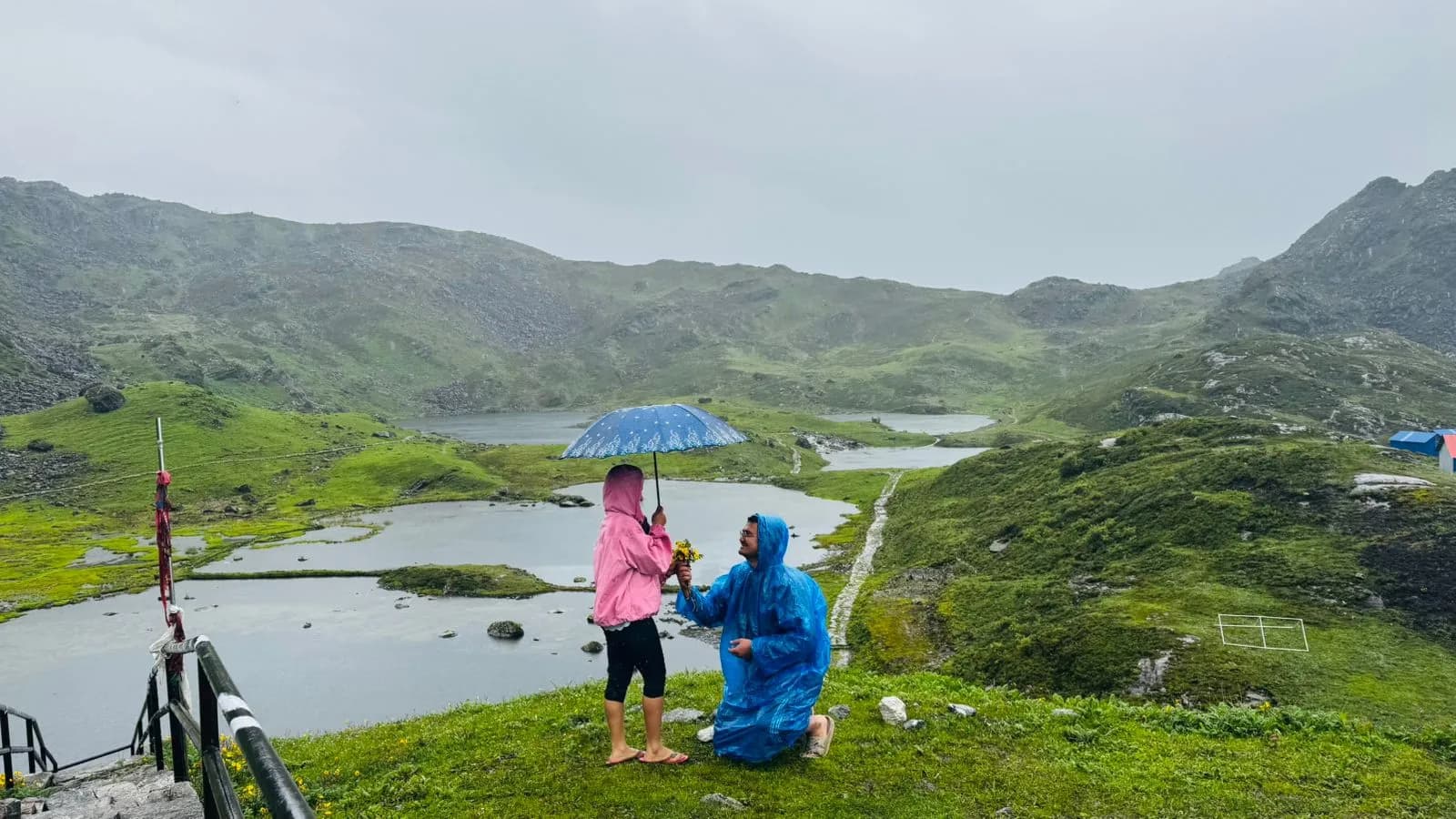
Panch Pokhari Trek | 3 Nights 4 Days Trekking Guide
This Panch Pokhari trek guide covers trek cost (for Nepali & foreigners), the best route from Kathmandu, itinerary options, and tips to prepare for this Himalayan adventure!
+ Read More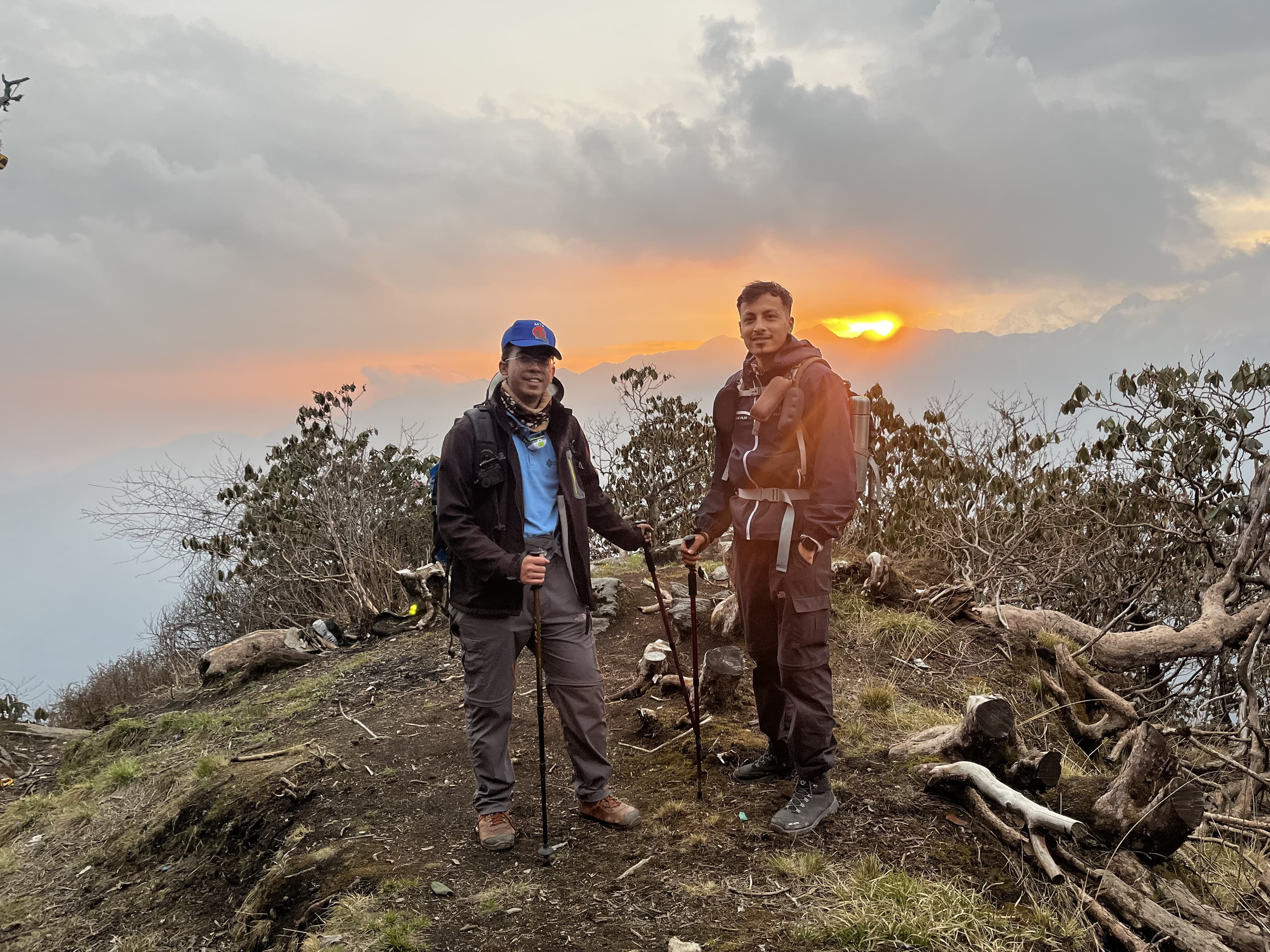
Kori Himal Trek 3 Days Itinerary: Route, Best Season, Cost & Photos [Complete Guide]
Explore the shortest 3-day Kori Trek itinerary with route details, best seasons, cost breakdown, photos, videos all in one complete guide.
+ Read More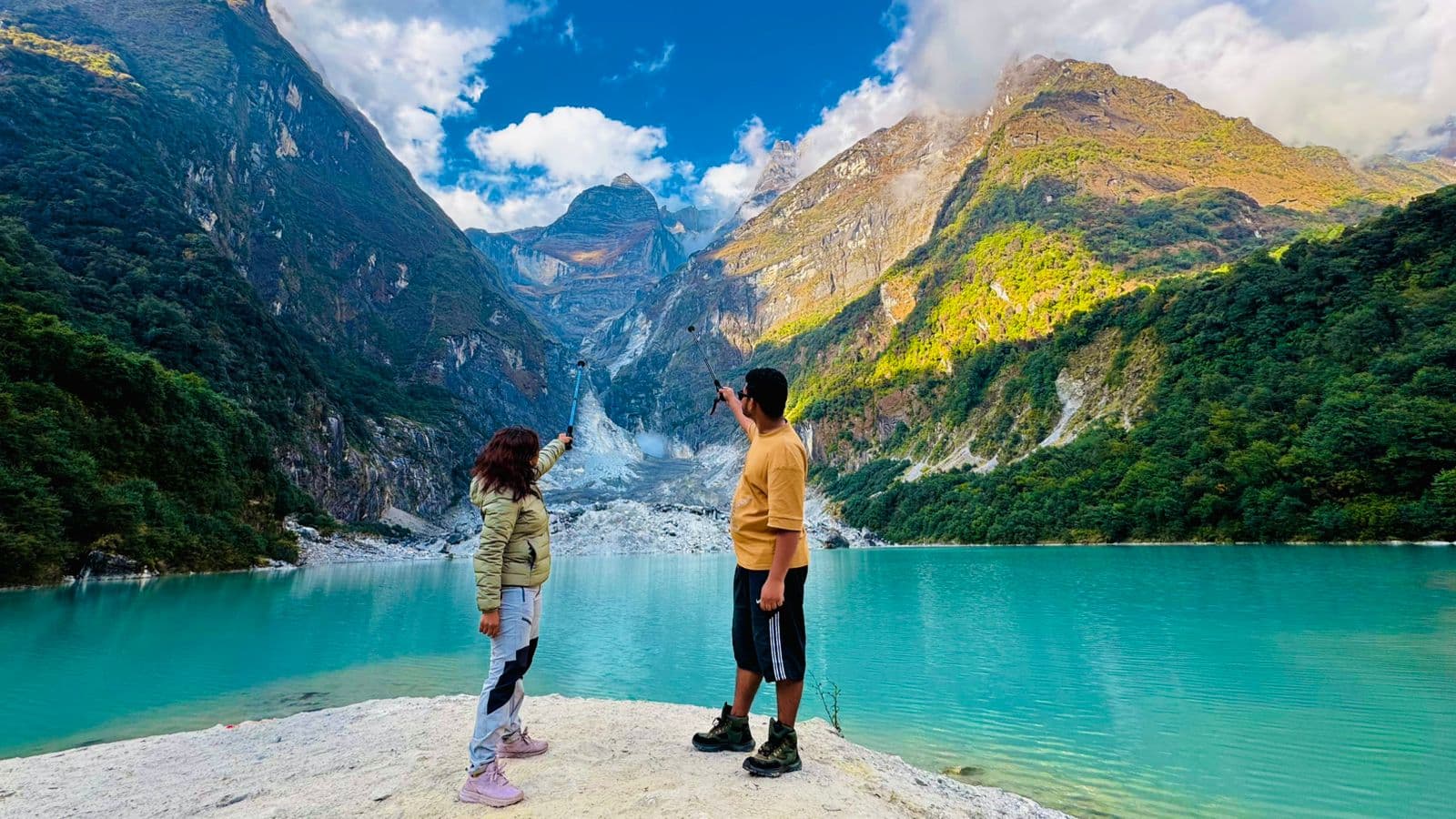
Kapuche Lake Trek: Complete Itinerary & Cost Guide from Kathmandu (2026 Update)
Planning the Kapuche Lake trek? Discover Nepal's lowest glacier lake (2,546m) with our detailed 3 Night, 4 Day Kapuche Lake trek itinerary.
+ Read MoreKalinchowk by Scooter from Kathmandu: Road, Cable Car Price, Cost and a Sailung Detour (2026)
We rode a Yamaha Ray ZR from Kathmandu to Kalinchowk via Sukute, Mude and Charikot, and turned off at Mude to ride up to Sailung on the same trip. Road conditions, cable car fares, stays and what the whole ride costs.
+ Read More