
Panch Pokhari Trek | 3 Nights 4 Days Trekking Guide
Jul 29, 2025
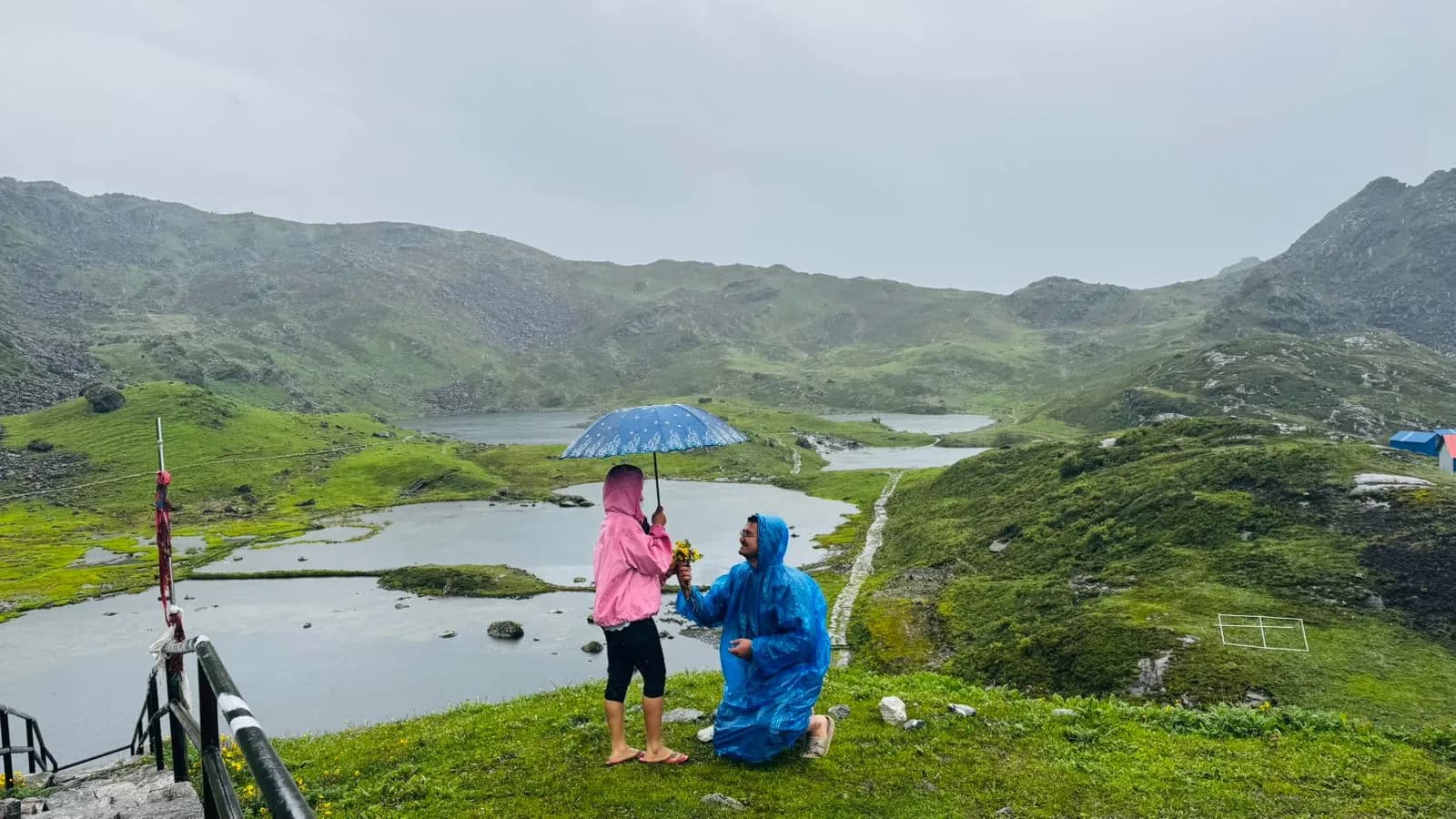

Panch Pokhari Trek is a peaceful trekking route located in the Sindhupalchowk district of Nepal, northeast of Kathmandu. The trek leads to the "Five Sacred Lakes" namely jethi Pokhari, Mahili Pokhari, Sahili Pokhari, Kaili Pokhari, and Kanchi Pokhari in Nepali — a group of five high-altitude lakes that hold religious and cultural significance for both Hindus and Buddhists. The lakes are visited by thousands of pilgrims during the Janai Purnima festival (usually in August).
These panch pokhari is situated at an altitude of around 4,100 meters (13,451 feet) above sea level and are among the highest freshwater lake systems in Nepal.
Panch Pokhari Trek gained wider attention in the early 2000s when it was officially promoted as a trekking destination by the Nepal Tourism Board and Trekking Agencies’ Association of Nepal (TAAN). Since then, thousands of nature lover and pilgrims visit here through out the year.
Quick Facts about Panch Pokhari Trek
-
Location: Sindhupalchowk District, Nepal
-
Altitude of Panch pokhari Lakes: ~4,100 meters (13,451 ft)
-
Distance from Kathmandu: ~70 km northeast (approx. 5–6 hours drive to trailhead)
-
Trek Duration: 3 to 4 days
-
Trek Difficulty: Moderate (suitable for beginners with preparation)
-
Best Season: Monsoon Season and Winter Season [mainly July to November]
Highlights
-
This is a short trek near Kathmandu, ideal for beginners and families seeking a peaceful Himalayan adventure.
-
The trail goes through diverse landscapes, including dense forests, and terraced fields.
-
You'll get to experience the local culture and lifestyle as you cross beautiful rivers and streams.
Panch Pokhari Altitude
The main attraction, the cluster of lakes, sits at a high altitude of 4100 meters (13,451 feet) above sea level. For trekkers, there is also a viewpoint nearby that offers an even more spectacular panorama of the lakes and surrounding peaks at an altitude of approximately 4300 meters.
Facilities at Panch Pokhari Summit
Despite its remote location, you can expect the following amenities:
-
Comfortable Stay: Basic rooms with blankets and bedsheets are provided.
-
Hot Water: Free hot water is available.
-
Wi-Fi: You can stay connected with Wi-Fi access.
-
Fresh Water: Enjoy unlimited fresh water.
-
Meals: Traditional Nepalese vegetarian meals, such as Dal Bhat and Aloo Tarkari, are served. Please note that no meat options are available as it is a holy site for both Buddhists and Hindus.
-
Drinks: Local traditional alcohol, soft drinks, and tea are also available.
Panch Pokhari Trek Itinerary
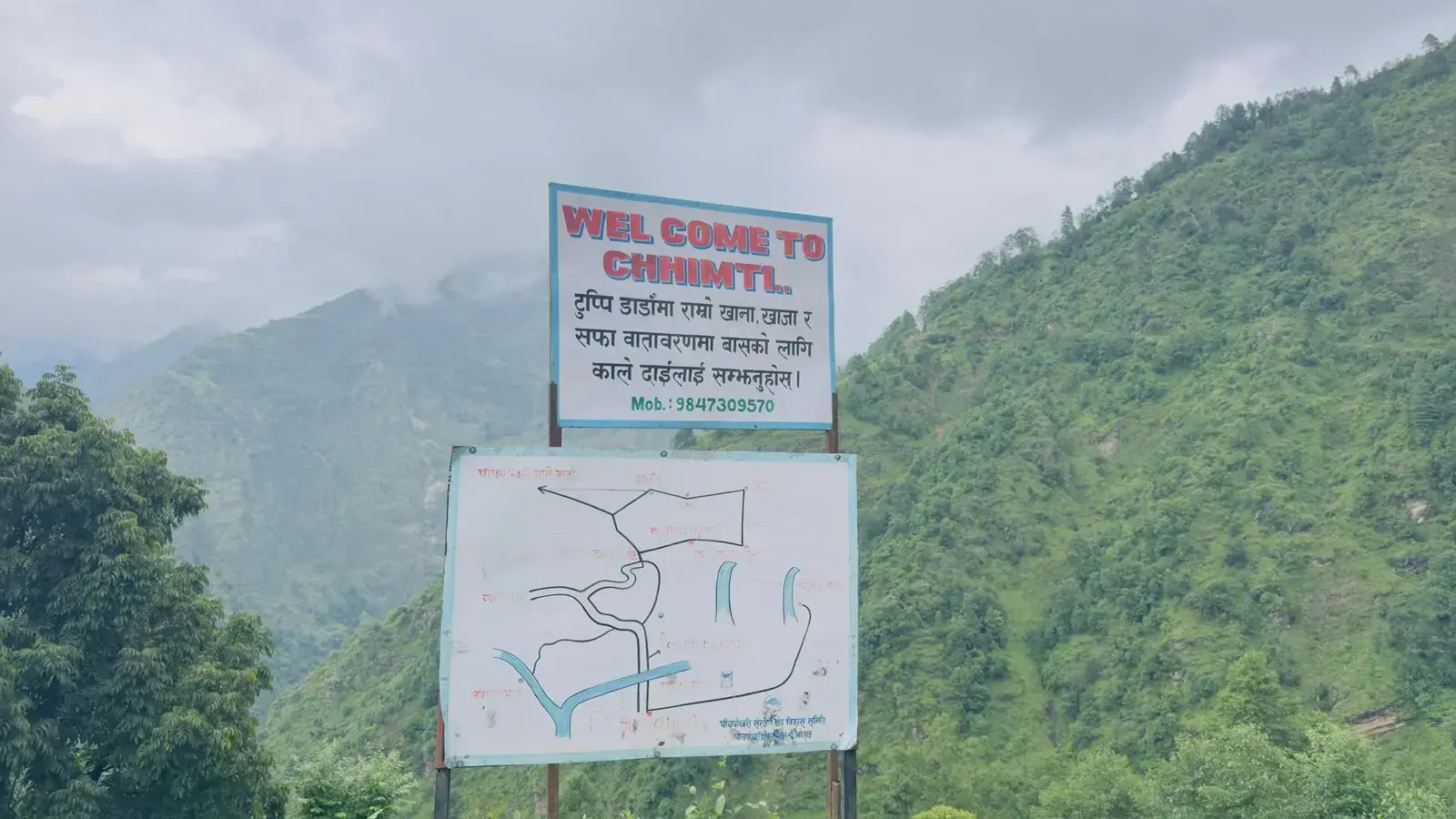
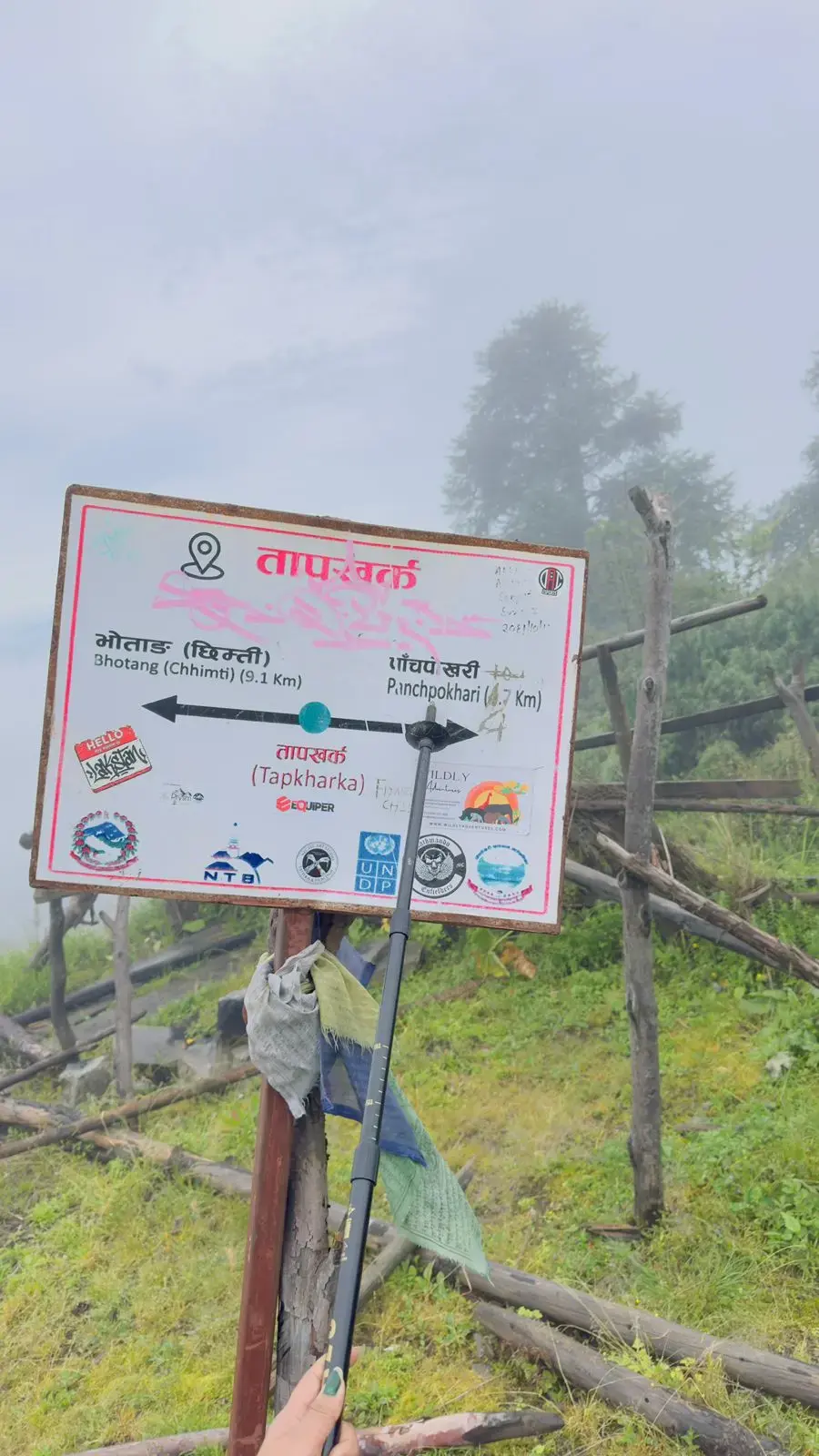
Day 1: Your journey begins with a drive from Kathmandu to Chimti (Bhotang). From there, you'll trek approximately 7 km to Rato Mato.
Day 2: Trek from Rato Mato to the Panch Pokhari.
Day 3: Descend from Panch Pokhari back to Chimti.
Day 4: Return to Kathmandu.
Kathmandu to Panch Pokhari Ticket and Bus Stop
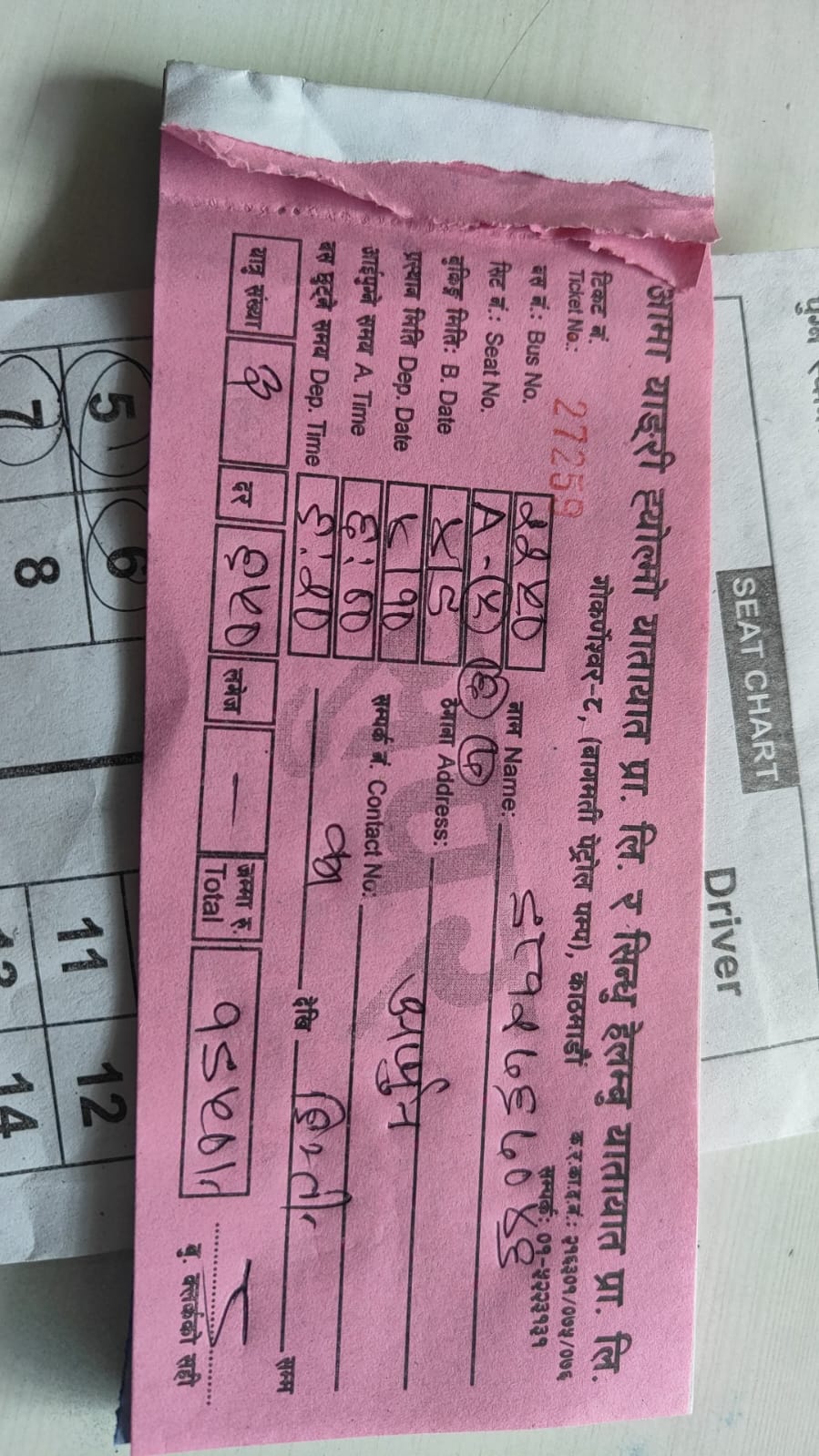
As of July 29, 2025, the bus fare from Kathmandu to Chimti was NPR 650. Please note that bus fares in Nepal can fluctuate due to factors like season, fuel prices, and road conditions.
The journey is known for its challenging road conditions, with the bus navigating a very rough and often unpaved path. While the final destination is Chimti, the bus may sometimes drop passengers off at an earlier point due to the difficult terrain but luckly we manage to sneak to chimti final stop.
📞 For panch pokhari trek bus ticket or inquiries, you can contact/WhatsApp +977 9851038278
This Panch Pokhari Trek was my very first trekking adventure, and everything I’ve shared in this post is based on my personal experience — from planning the route and figuring out the cost to facing the challenges on the trail. I’ve written this guide keeping beginners like myself in mind, so you can feel more confident if you’re planning to trek here for the first time too.
Panch Pokhari Trek Route and Road Conditions
The Panch Pokhari Trek can be done via two main routes:
- Sano Okhareni through Chautara
- Bhotang (Chimti) via Melamchi.
I choose the Bhotang (Chimti) route as the bus from Jorpati Shiva Chowk (Ama Hyolmo Buspark) was nearby. The early bus departs at 6:20 AM, costs NPR 650, and takes about 5–6 hours to reach the starting point. I recommend taking this early option, as it gets you to Chimti by 11–12 noon. Keep in mind: road conditions during the monsoon can be rough, with much of the route unpaved.
Note: Road conditions during the monsoon can be rough—much of the route is still unpaved.
Panch Pokhari Trek Detailed Itinerary
Panch Pokhari Trek Route From kathmandu will be something like this:
Day 1: Kathmandu to Chimti (Bhotang) – Trek to Rato Mato [7 KM Walk Approx]
-
Transport: Public bus from Kathmandu (Jorpati Shiva Chowk – Ama Hyolmo Buspark) to Chimti (Bhotang)
-
Departure Time: 6:20 AM
-
Fare: NPR 650 per person
-
Lunch: Khana NPR 350 for Chicken and NPR 300 for Veg.
-
Trek Start: 12:30 PM from Chimti
-
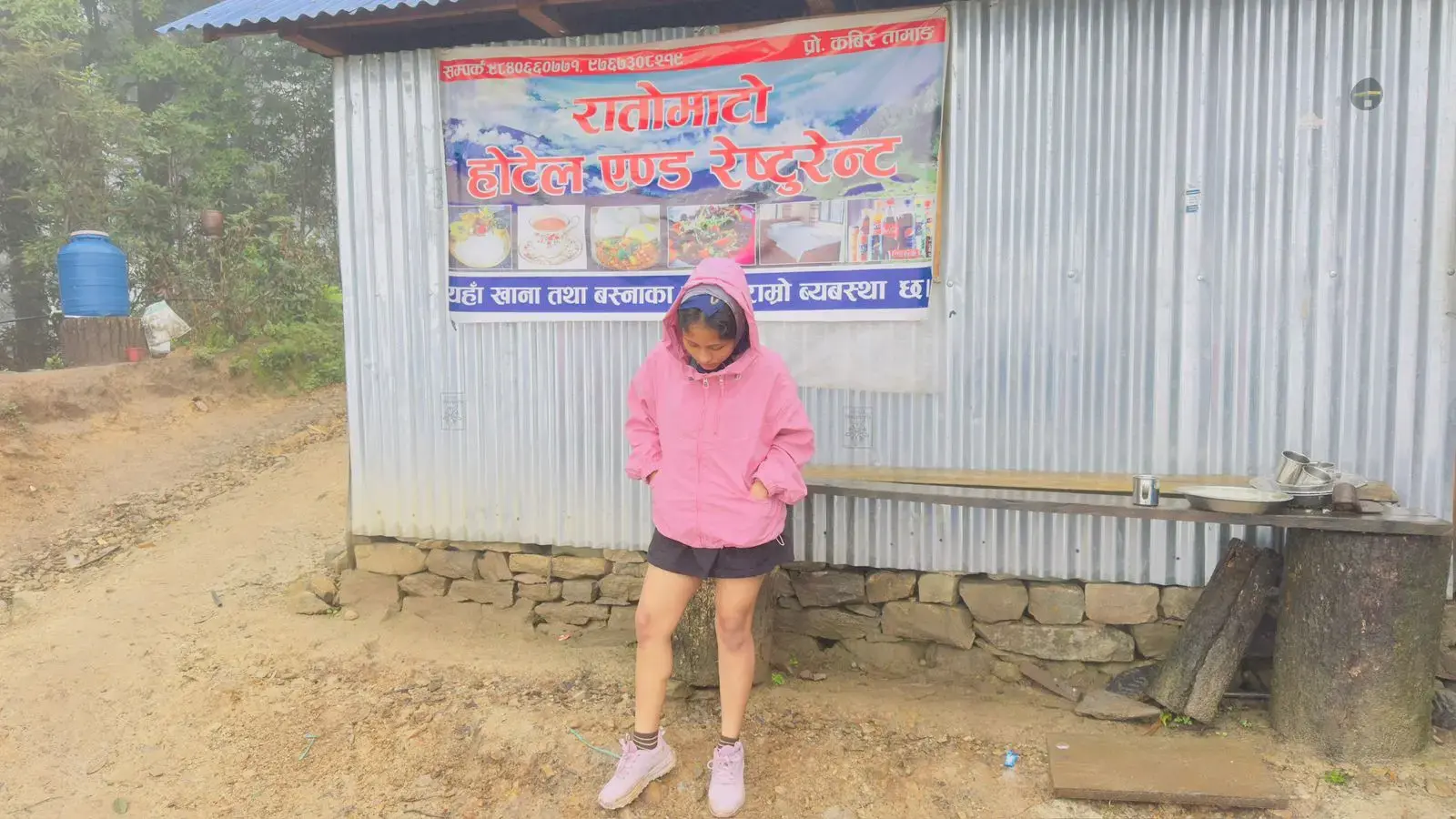
Route: Chimti → Deurali → Tupidanda (3.5 hrs) → short 15-min break → Rato Mato (3.5 Hrs)
-
Stay: Rato Mato – NPR 700 per person (includes dal bhat, tarkari, achar, and shared room) while sekuwa cost NPR 500 per plate, Churpi cost NPR 300 per slice, Jhaikhutte cost 100 NPR per Glass.
-
Note: Private two-wheeler can reach up to Deurali, trekking starts from there onward.
Day 2: Rato Mato to Panch Pokhari
-
Start Time: 7:00 AM
-
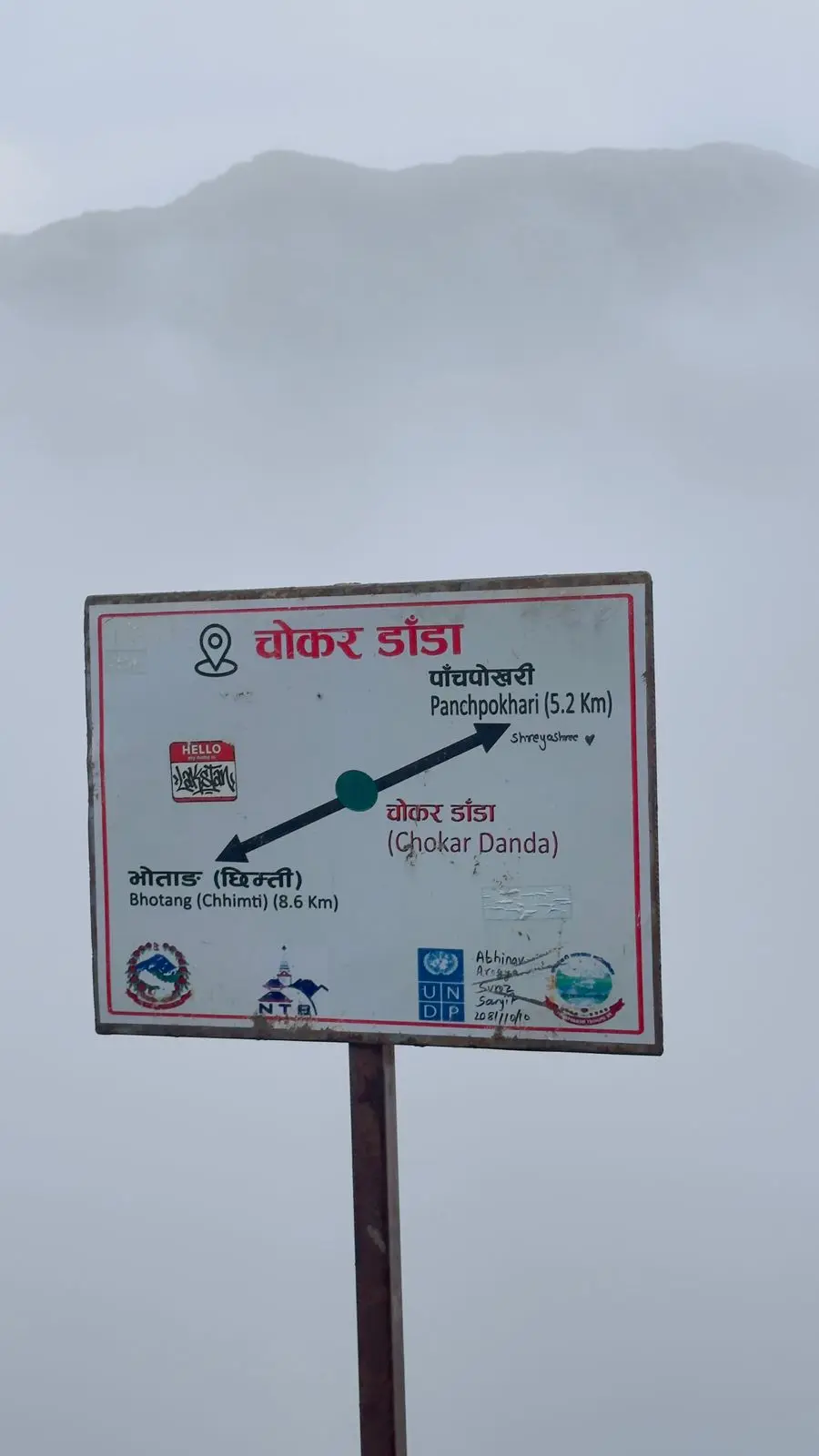
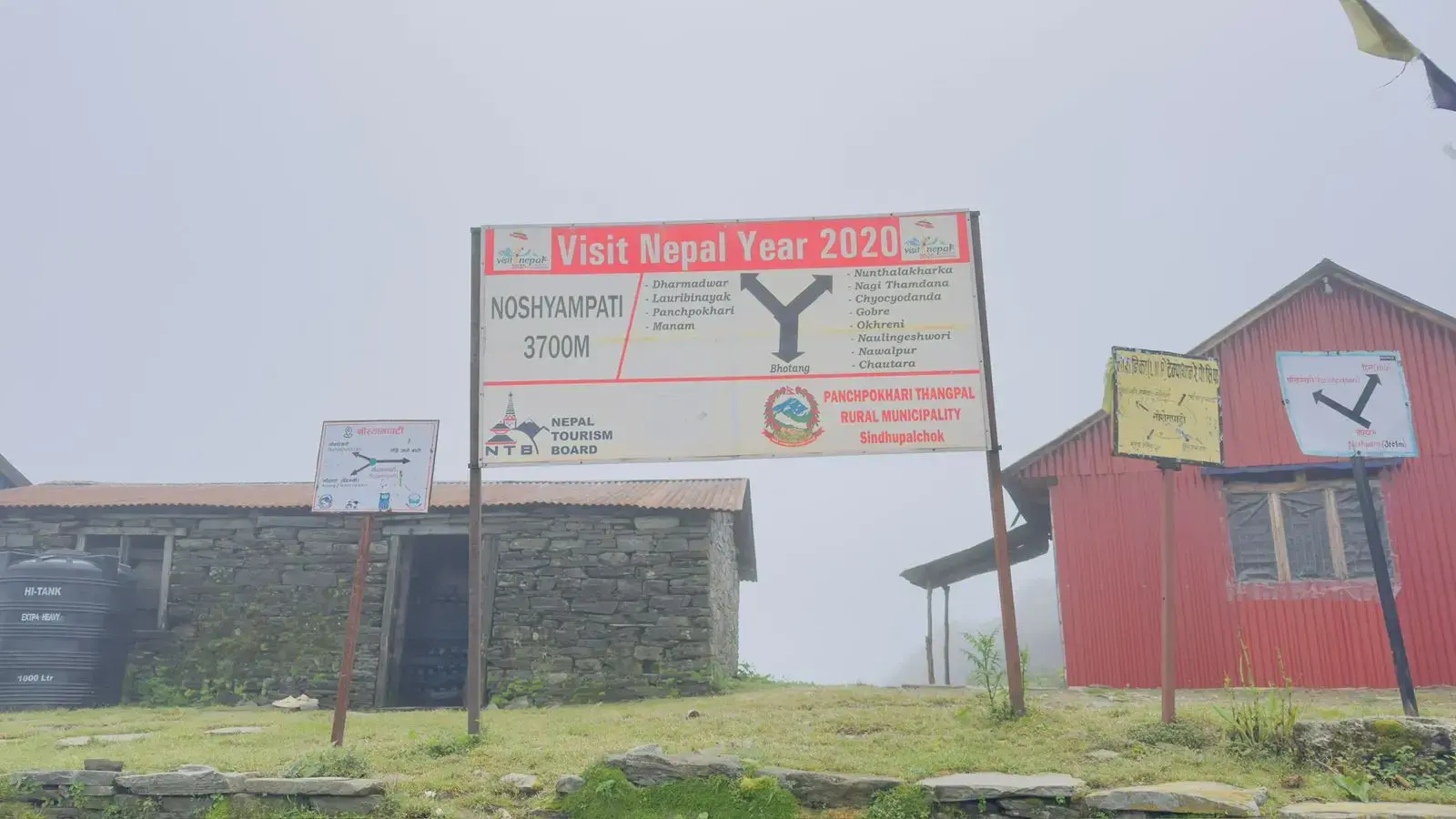
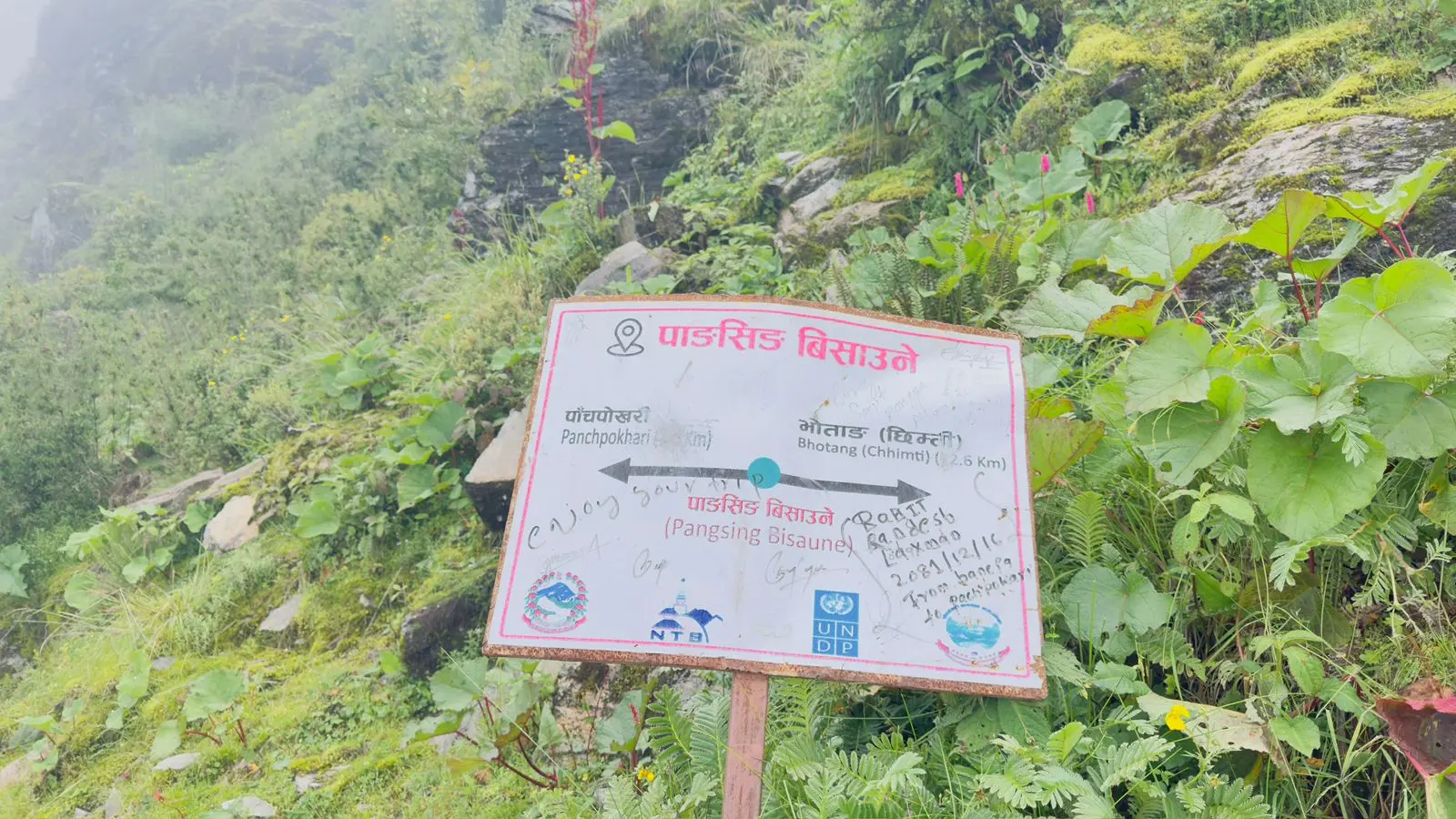
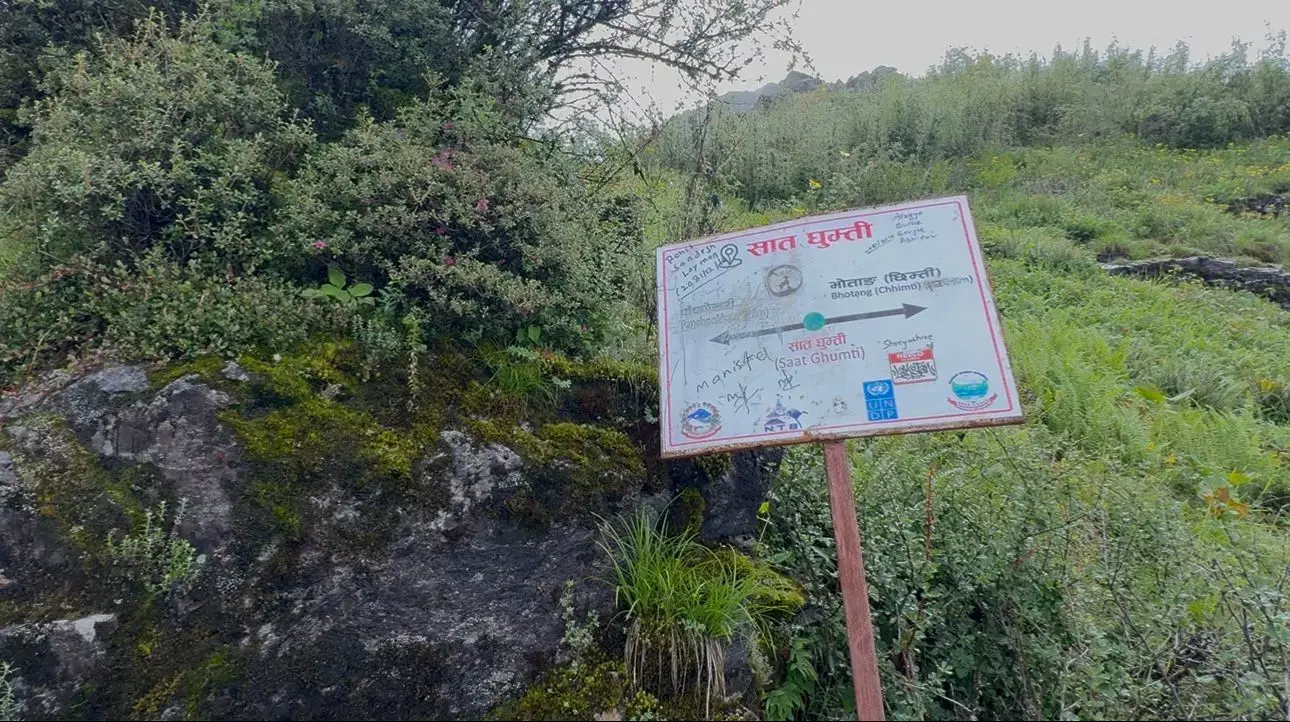
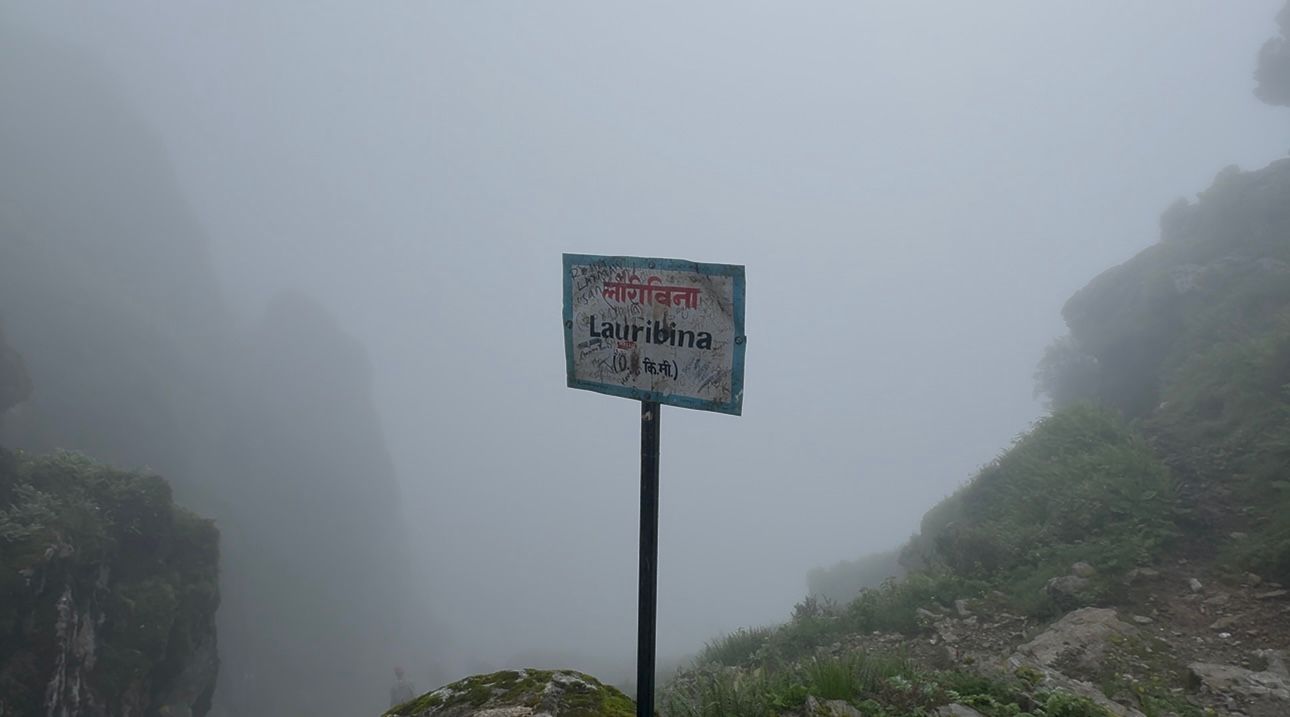
Route: Rato Mato → Chokar Danda (1 hr, steep climb) → Nosyampati (2 hrs) → Lauribina (136 steps at a 45° incline) (2 hrs) → Panch Pokhari (1 hr)
-
Arrival at Panch Pokhari: Around 1:00 PM
-
Stay: NPR 1000 per person (lodging and food included)
- Meat Not available while single egg cost NPR 100, Black Tea Cost NPR 50, Energy Drink NPR 200 per pack and Jhaikhatte NPR 100 per glass.
Day 3: Panch Pokhari to Chimti (Descent)
-
Start Time: 9:45 AM
-
Route: Same as ascent
-
Arrival at Chimti: Around 6:30 PM
-
Stay: NPR 600 per person (includes food, chicken and lodging)
Day 4: Return to Kathmandu
-
Bus Departure from Chimti: 6:30 AM
-
Arrival in Kathmandu (Jorpati Shiva Chowk): Around 12:00 noon
-
Fare: NPR 650 per person
This itinerary is based on my experience from July 26th, 2025, and costs mentioned are subject to change. As Langtang National Park Office is currently undergoing infrastructure development, an entry fee may be introduced in the near future. Additionally, accommodation and food prices may vary depending on the season, demand, and local circumstances.
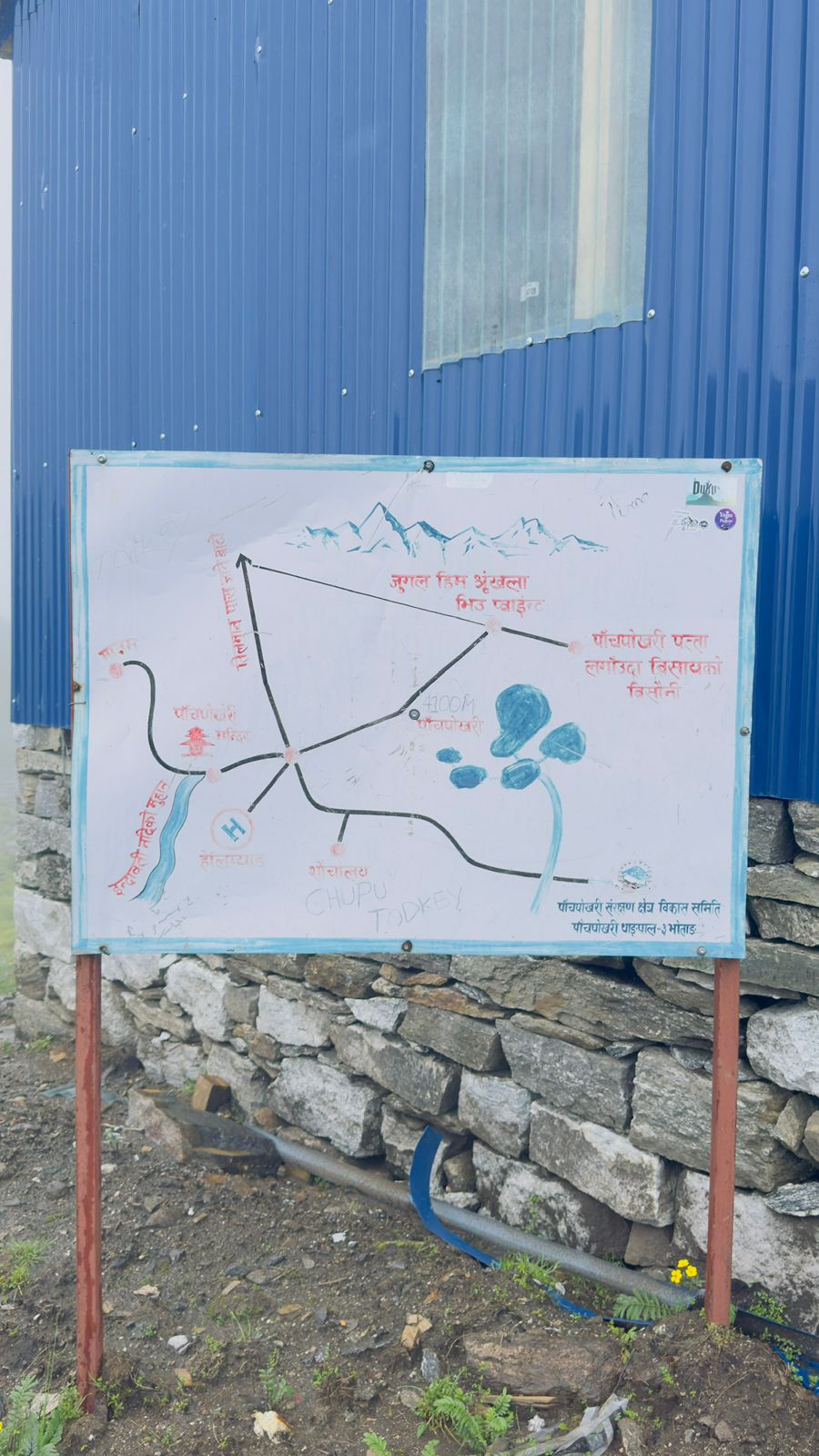
Altitude Map of Panch Pokhari
Panch Pokhari Trek Cost For Nepali
Here’s a breakdown of the full Panch Pokhari Trek cost based on my actual experience in July 2025. This includes transport, food, lodging, and personal snack expenses.
| Item | Cost (NPR) |
|---|---|
| Snacks (Energy Bars – 4 × NPR 130) | 520 |
| Energy Drinks (2–3 × NPR 100) | 300 |
| Bus Fare (Kathmandu → Chimti) | 650 per person |
| Morning Food [dal, Bhat, Chicken, Salad, Achar] | 300 for Veg and 350 Non - Veg |
| Stay at Rato Mato (Day 1) | 700 |
| Stay at Panch Pokhari (Day 2) | 1,000 |
| Stay at Chimti (Return, Day 3) | 600 |
| Return Bus (Chimti → Kathmandu) | 650 |
| Extra Food/Tea (3 days combined) |
|
| Total Estimated Cost | 5,570 – 5,620 NPR | 6000 NPR Approx. |
What to Pack for a Monsoon Trek to Panch Pokhari
-
At least 3 pairs of clothes — one pair should be warm yet lightweight.
-
1 liter of water (no need to carry extra food, as there are enough places to eat and stay every 1–2 hours along the trail).
-
Energy bars and drinks for quick refreshment.
-
A minimum of 1 trekking stick (2 recommended for better support).
-
Handplast, Crepe Bandage, Move Spray, Painkillers, Zolamite for altitude Sickness.
- Not a fan of leeches? Too bad—they love you. Bring salt. Lots of it. I got 12 on me.
Panch pokhari Distance From Kathmandu
The trek begins with a 70 km road journey from Kathmandu to Chimti (Bhotang), which takes approximately 5 to 6 hours by bus. From Chimti, the trail to Panch Pokhari spans around 14 km and involves a 13–14 hour uphill hike, typically split across two days.
On the return (descent), the same trail can usually be covered in about 10 hours, depending on your pace and weather conditions.
Best Time to Visit Panch pokhari
The ideal time to visit Panch Pokhari is during the monsoon and winter seasons, from July to November.
Panch Pokhari Photos and Videos
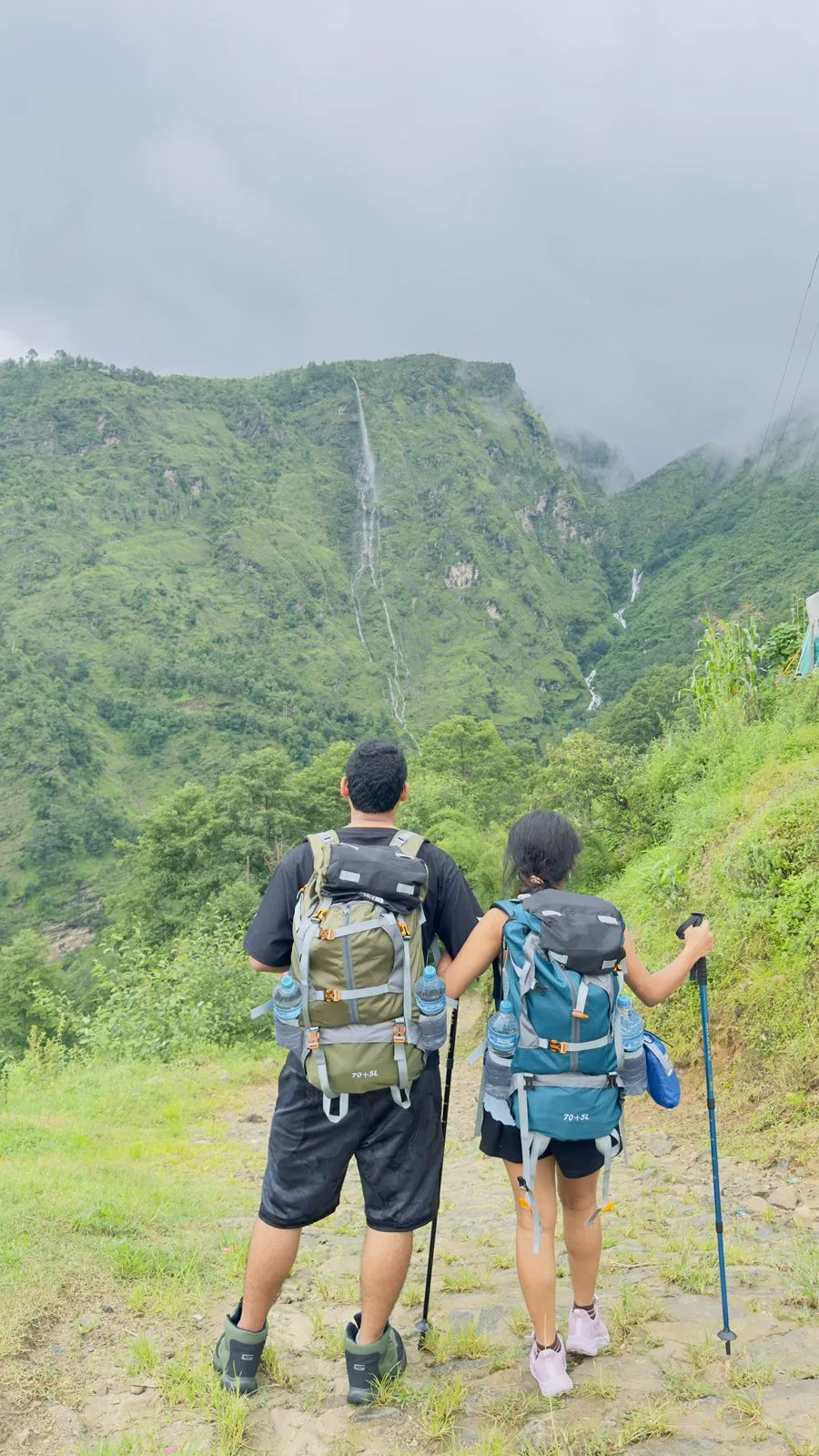
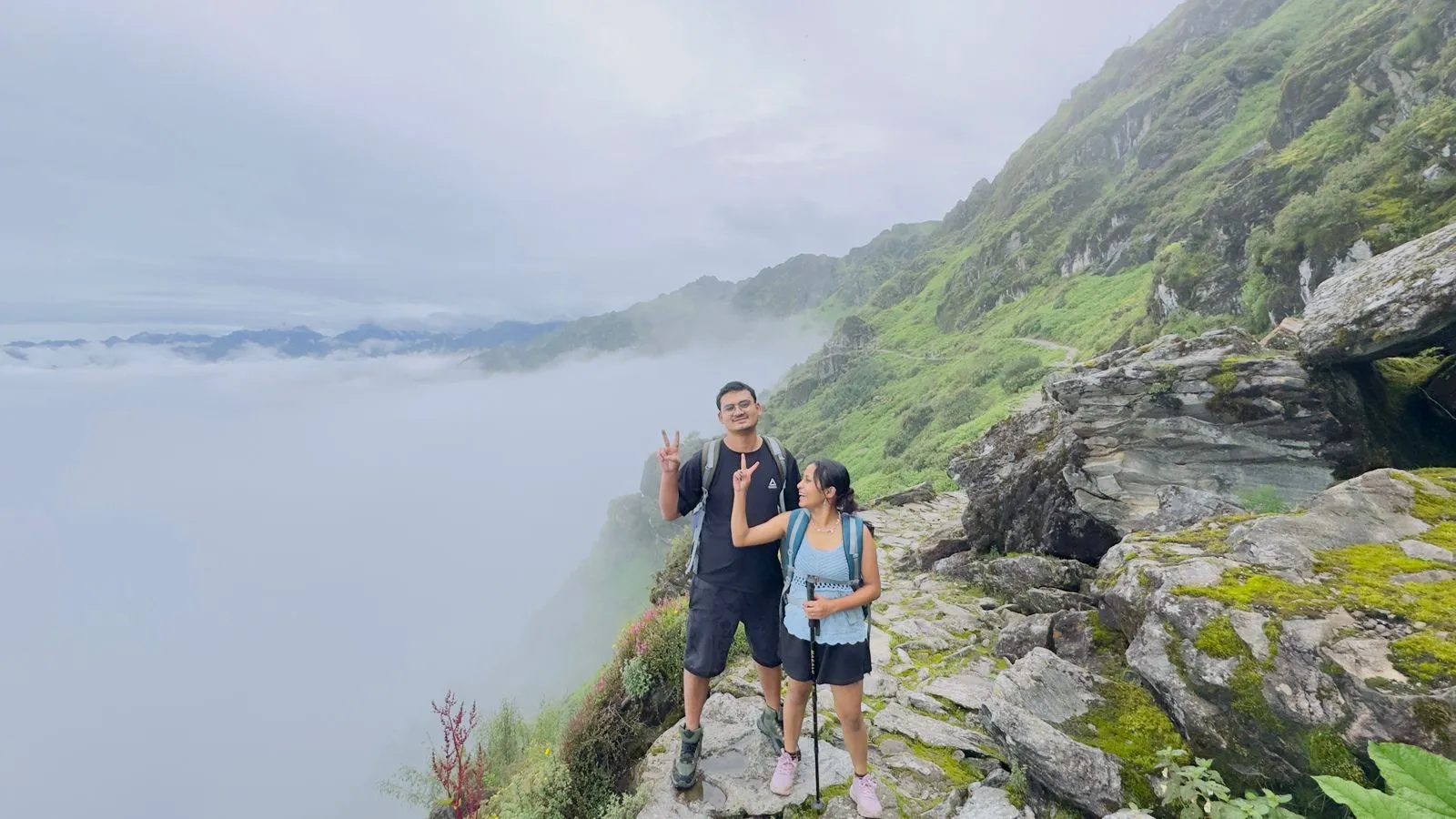
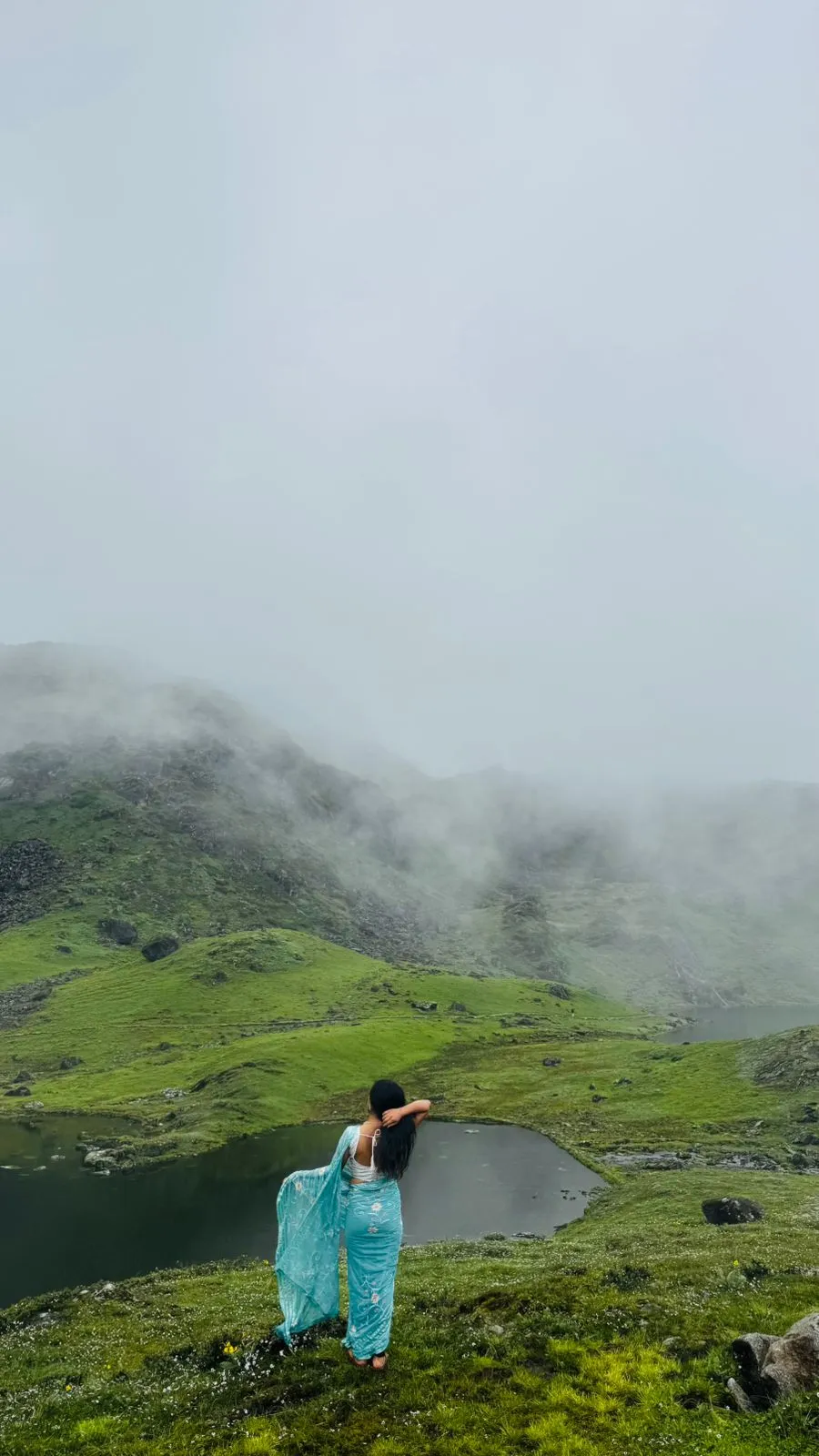
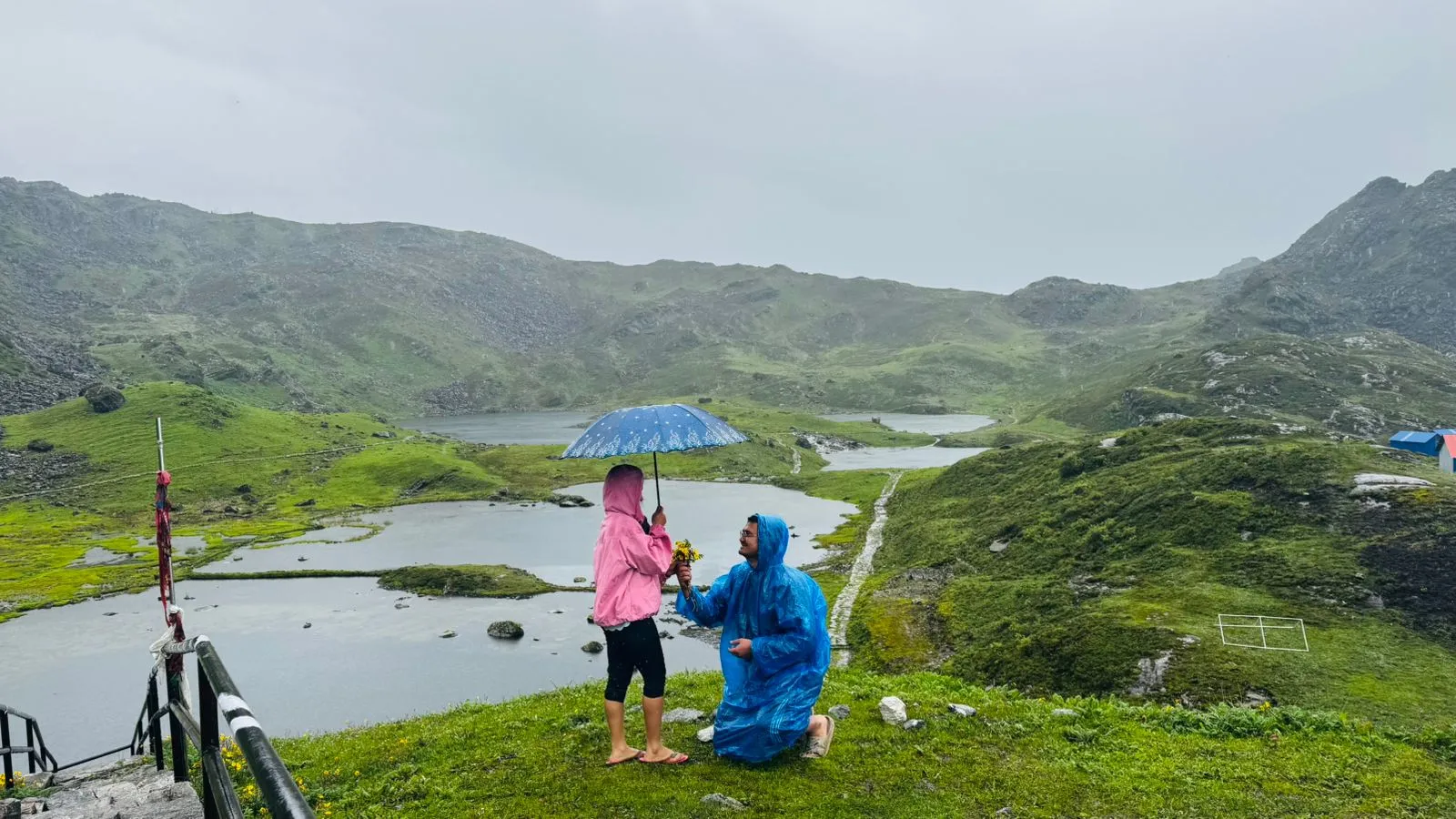
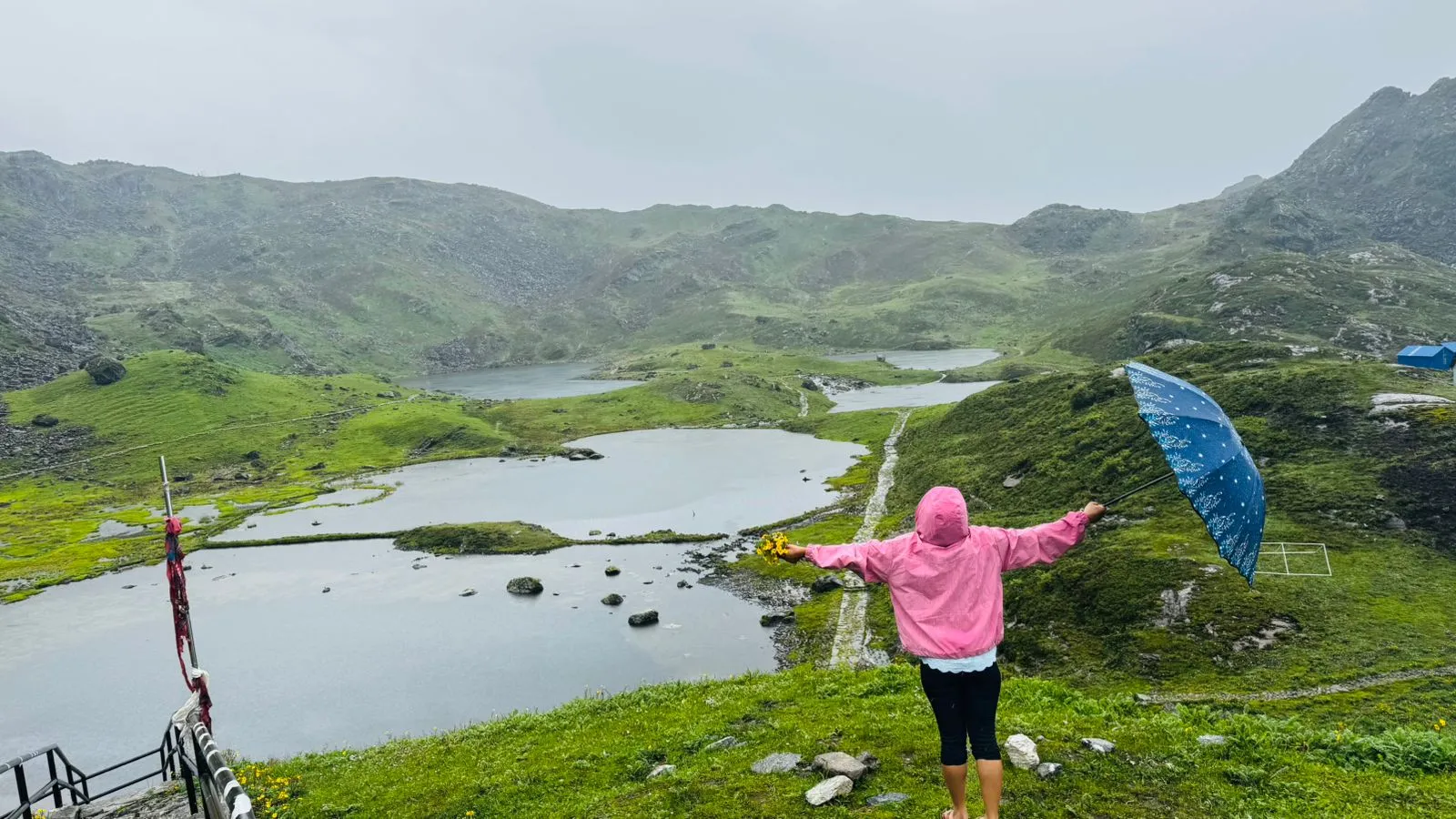
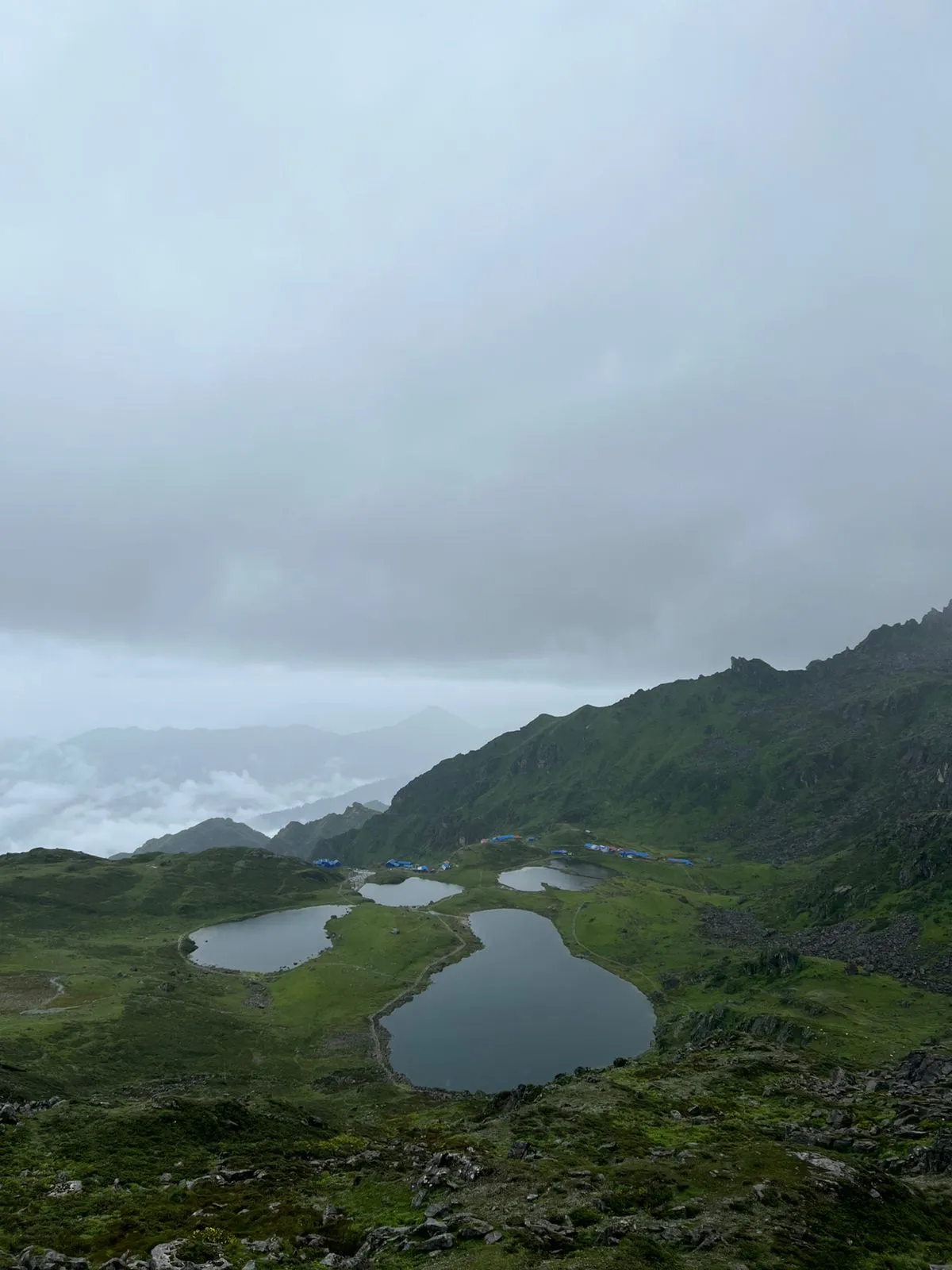
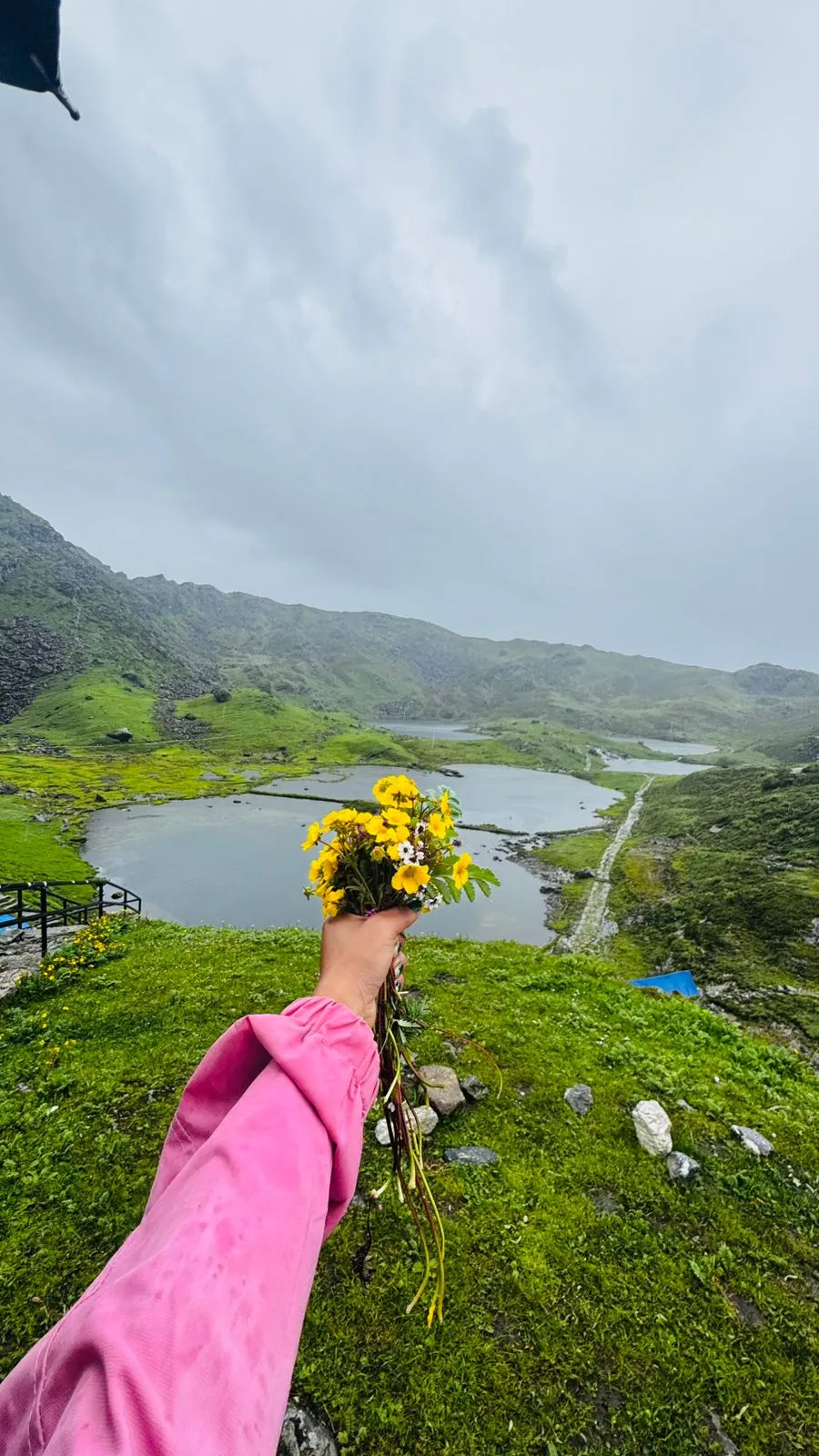
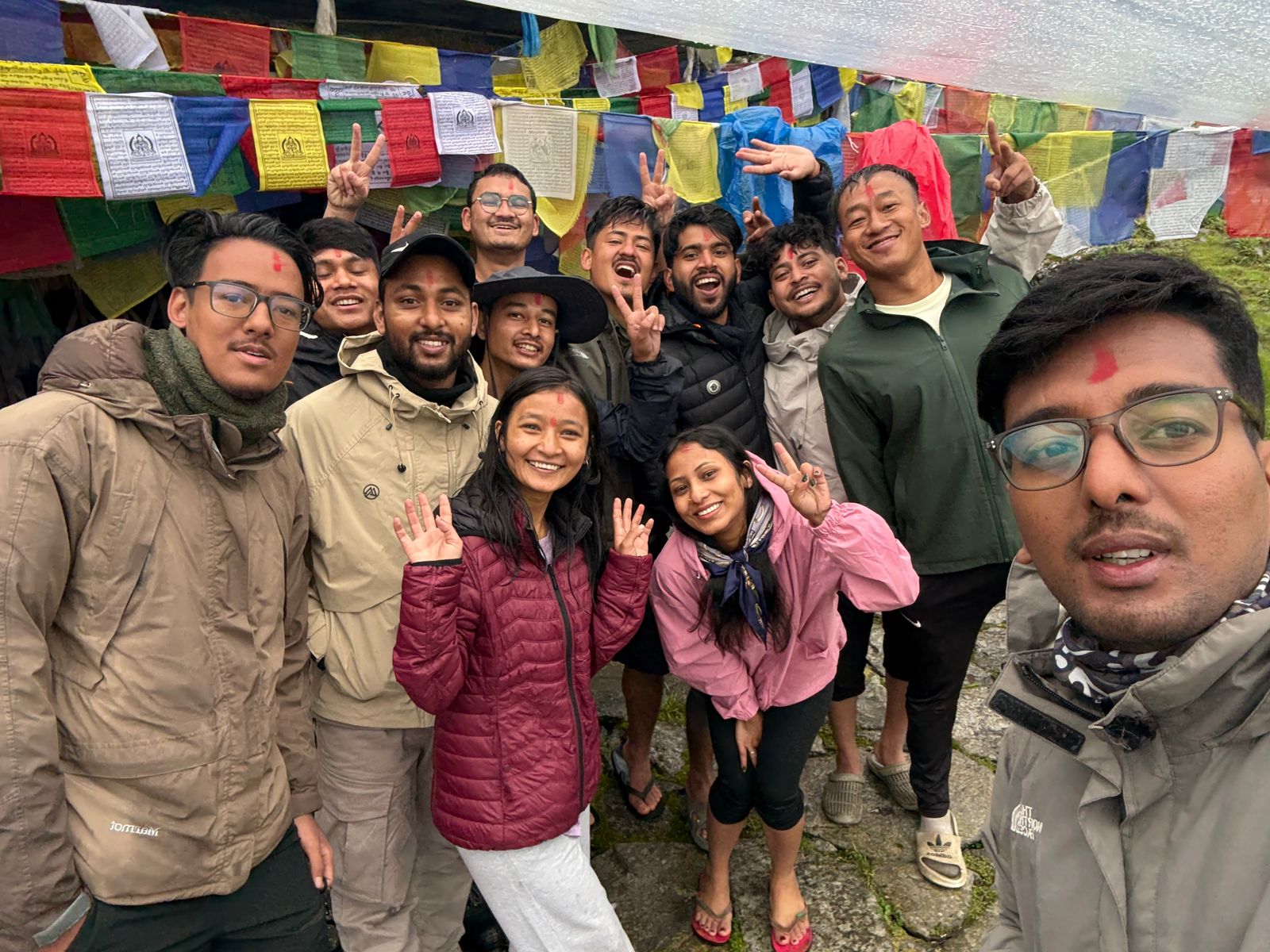
As panch pokhari was my first trek and I tried to complete it in the shortest time possible, I found it really challenging—especially the accent. During the ascent, my heart was pounding like the engine of an old vehicle, even with proper trekking gear on. I was so exhausted on the way up that I couldn’t even lift my head to see the steep incline ahead. The most difficult part for me was the trail from the bridge after Tupidanda to Rato Mato; after walking over five hours, I was completely drained but still faced a tough climb. Despite all this, I believe everyone should visit Panch Pokhari at least once—it truly is a once-in-a-lifetime experience.
— Arjun JhukalBeginner's Guide to the Panch Pokhari Trek
-
Train Your Legs
Build some stamina by doing short hikes a few weeks in advance. Before this trek, I completed the Latarambeshwor Mahadev hike and Dhap Dam hike, both in a single day. These helped me prepare mentally and physically for Panch pokhari. -
Stay Hydrated & Take Breaks
The trail can be long and steep—take regular breaks and drink plenty of fluids to stay energized and avoid altitude-related fatigue. -
Don’t Overpack
There are teahouses or lodges every 1–2 hours along the trail. You don’t need to carry camping gear, which lightens your backpack and makes hiking easier. -
Start Early Each Day
Begin your trek early in the morning. Visibility, weather, and trail conditions are generally better before noon. -
Use Trekking Poles
They come in handy, especially during the steep downhill on Day 3. If you’re not used to long descents, they’ll save your knees.
Frequently Asked Questions (FAQ)
The most popular itinerary for the Panch Pokhari Trek is a 3-day adventure, with an additional day for returning to Kathmandu. This makes it an ideal short trek for those with limited time who still want a rewarding Himalayan experience.
Panch Pokhari sits at an altitude of 4100m (13,451ft). A nearby viewpoint, which offers a stunning panorama, is slightly higher at approximately 4300m
Yes, the Panch Pokhari Trek is perfect for beginners. While it involves a significant ascent, it is considered a tranquil and less-crowded route with teahouses and lodges available every 1-2 hours, eliminating the need to carry heavy camping gear.
Despite its remote location, the teahouses at Panch Pokhari provide comfortable stays with basic rooms, blankets, and bedsheets. You can also expect free hot water, Wi-Fi, and unlimited fresh water.
Essential packing for a monsoon trek includes at least three pairs of clothes (one warm and lightweight), a 1-liter water bottle, and energy bars. It's also highly recommended to bring at least one trekking stick for support and plenty of salt to deter leeches.
Yes, trekking poles are highly recommended. They are particularly useful during the steep downhill sections, helping to save your knees and provide better support on uneven terrain.
The best way to prevent altitude sickness is to stay hydrated and take frequent breaks. Do not overexert yourself. The availability of teahouses makes it easy to go at a comfortable pace and listen to your body.
🎬 Watch Full Video of Panch Pokhari Trek
Curious about the trek? Join us on a virtual journey to Panch Pokhari! This video captures the real-time experience—the trails, the views, and the culture—to give you a genuine feel for what awaits you on this unforgettable adventure.
Related Articles
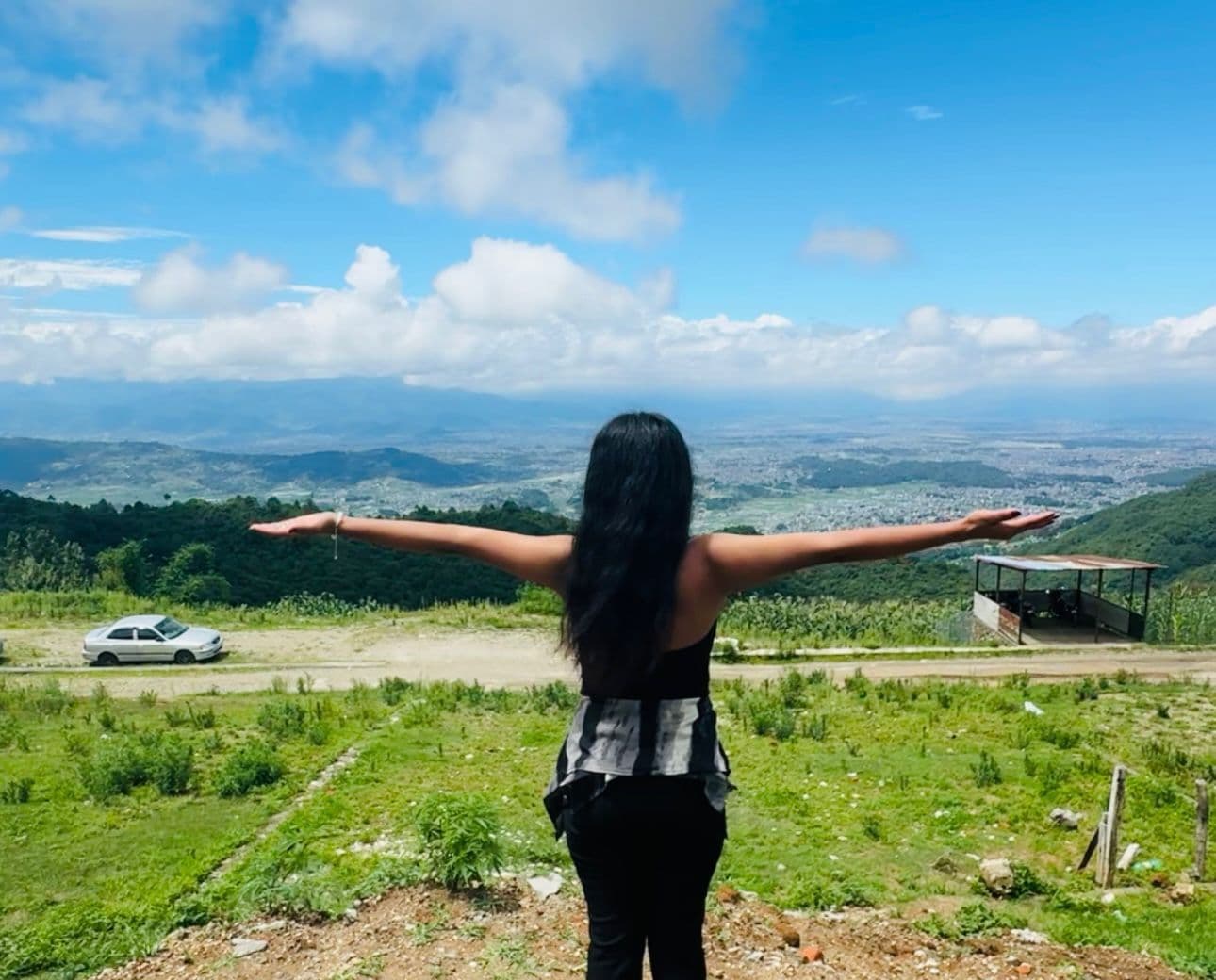
Complete Guide to Dhap Dam Hike from Kathmandu: Route, Cost & Tips
Planning a trip to Dhap Dam? Discover the hiking route from Kathmandu, estimated costs, travel tips, and what to expect along the way. Ideal for beginners and nature lovers.
+ Read More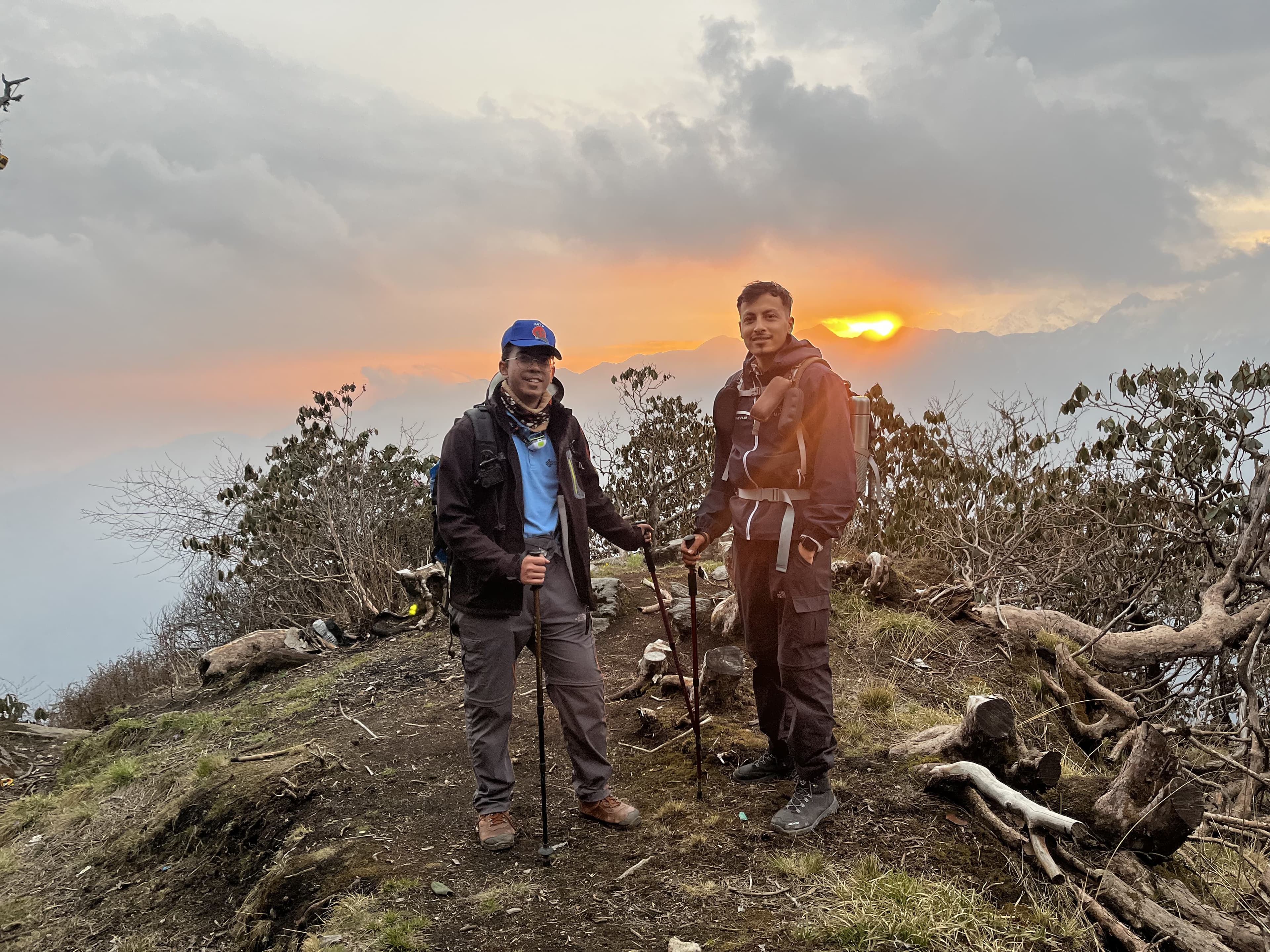
Kori Himal Trek 3 Days Itinerary: Route, Best Season, Cost & Photos [Complete Guide]
Explore the shortest 3-day Kori Trek itinerary with route details, best seasons, cost breakdown, photos, videos all in one complete guide.
+ Read More